Gooding, David: 5 - The Lampstand
ID mfh_1087316764Date unavailableBefore 3.19Restored 4.40
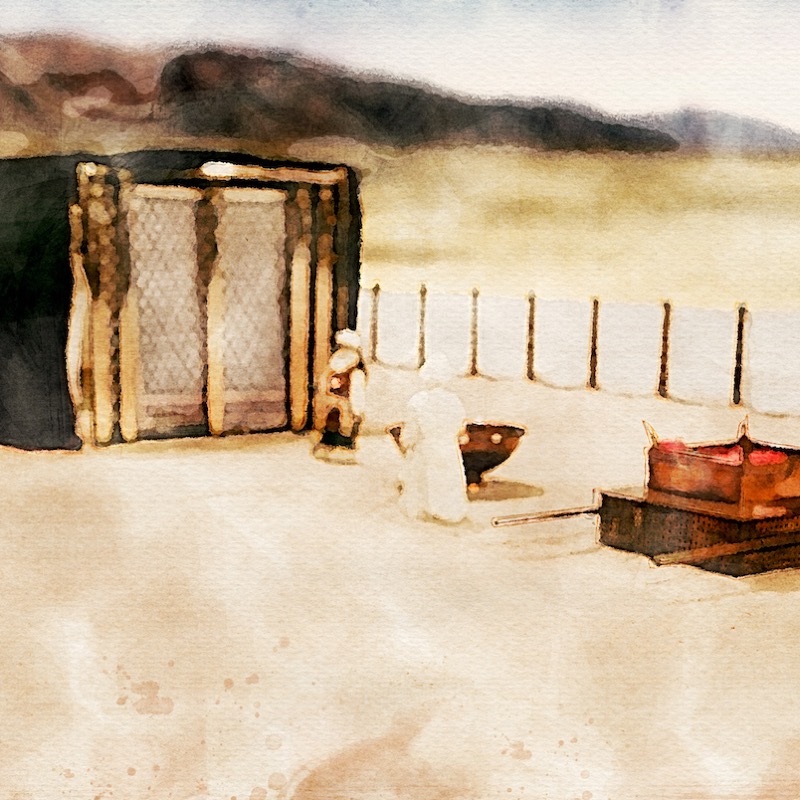
Ladies and gentlemen, of all the beautiful things in the ancient tabernacle that God commanded Moses and the Israelites to build, I suppose that the most beautiful of them all, from the point of view of sheer beauty, was the lampstand that stood on the left hand side as you entered the holy place. It is of that lampstand that we are to think together this evening. And so as to get clear in our minds from the very beginning what the function of that lampstand, the prime function of the lampstand was, I ask permission to read from the book of Leviticus and chapter uh twenty four. Leviticus, third book in the Old Testament, known as Wariqya, Wariqya, twenty four, and we shall read the few verses at the beginning. We shall find these verses describe both the lampstand that stood on the left hand side of the building and the table of the bread of presents that stood at the right hand side. One word you will perceive repeats itself in the description. Notice it, please, as we read the passage. And the Lord spake unto Moses, saying, Command the children of Israel that they bring unto thee pure olive oil beaten for the light, to cause a lamp to burn continually. Without the veil of the testimony, in the tent of meeting, shall Aaron order it from evening to morning before the Lord, continually. It shall be a statute forever throughout your generations. He shall order the lamps upon the pure lampstand before the Lord continually. And thou shalt take fine flour and bake twelve cakes thereof, two tenth parts of an ephah shall be in the one cake, and thou shalt set them in two rows, six upon a row, upon the pure table before the Lord. And thou shalt put pure frankincense upon each row, that it may be to the bread for a memorial, even an offering made by fire unto the Lord. Every Sabbath day he shall set it in order before the Lord continually. It is on the behalf of the children of Israel, an everlasting covenant. And it shall be for Aaron and his sons, and they shall eat it in a holy place, for it is most holy unto him of the offerings of the Lord made by fire, by a perpetual statute. Now, last night in our lecture, we came to the goal of the journey that we began in the first of these lectures. In the first lecture, we stationed ourselves at the east by the gate into the tabernacle, and we asked ourselves, if this tabernacle be the dwelling place of God, by what route and by what methods may anyone come and meet God in his dwelling place? And then we notice that the road from the outside into the presence of God was marked out by four notable pieces of symbolic furniture, each of them representing something that God wished those who came to know. Each of them representing not just a piece of knowledge, but a required experience for those who would approach God and be accepted by him. The first, of course, of those pieces was the large altar. You see it in the overhead here, and likewise in the model, where atonement was made for sin and sacrifices offered on the basis of which God could remain righteous and yet forgive and justify the ungodly. And then secondly, there was the laver. It was a bronze vessel filled with water. We notice, therefore, that those two vessels offered both of them cleansing, the one by blood and the other by water. And the New Testament echoes and re-echoes the message that those two vessels taught in a figure. For the blood of Christ gives us cleansing, says the New Testament. The blood of Christ, God's son, cleanses us from all sin. It cleanses the conscience from the guilt of sin. The laver with its water pointed us, as we stood the other night by its side, points us to the washing of regeneration and the renewing of the Holy Spirit. To deal not with the guilt of sin, but with the blemish and the stain and the power of sin. So that the first renewal is the being regenerated by the Holy Spirit of God and a new life implanted by his divine operation in the heart. And then the constant rinsing of the hands and feet, as the Old Testament puts it, uh, day by day, as believers are taught by God's Holy Spirit, shown their still unworthy ways, and called upon and given the grace to overcome them. And thus gradually be changed and cleansed from the spots and the wrinkles and all such other things that otherwise would defile and pervert the personality. And then we pushed forward through the door and came to the little golden altar on the main road into God, that is the altar of incense, at which altar the priest or a priest would stand when at the hour of prayer he offered incense before the Lord, thus praying for, giving thanks for, and making intercession for the people of God. And we Christians saw therein, of course, immediately a correspondence with the present ministry of our Lord Jesus. He not only died at Calvary and shed his blood that our sins might be forgiven. Not only did he pour out on the day of Pentecost the Holy Spirit, by whom we may be regenerated. But his present ministry is this: he is at the right hand of God. He also makes intercession for us, so that because he ever lives to make intercession, he is able to save to the uttermost all that come unto God by him. And finally, last night we reached, as I say, the goal of our journey, as we entered into the holiest of all and stood by the symbolic throne of God. We noticed that that symbolic throne was a tri-unity, a three in one. There was the basis of a basic ark, which was a box overlaid outside and inside with pure gold, in which was the law of God. Then secondly, there was that slab of gold, the propitiatory, in English versions sometimes called the mercy seat. And on that mercy seat was annually sprinkled the blood of the atoning sacrifice. That made it possible for God to receive the people's representative high priest when he entered the holiest of all on behalf of his nation. So that in the box was the law that exposed the nation's sin. The propitiatory, the mercy seat, was the place that covered the law, was stained with the blood of the atoning sacrifice, and therefore made it possible for God to accept them. And the third element in the triunity were the two cherubs, uh, one on the one end and one on the other. We do not know what particular form those symbols took in Moses' tabernacle. Cherubim occur elsewhere in the Old Testament and the New, and are variously described, but one of the terms constantly used of them is the living creatures. And when you read of the throne of God in scripture and see it portrayed symbolically, invariably the living creatures are there to be seen in conjunction with it. A triunity, therefore. Now tonight we turn back upon ourselves and come, let's look at the plan again, we come back into the holy place. We notice that there on the left hand side, as I've said, is the lampstand, and on the right hand side, the table of showbread. We can notice at once that those two vessels were both of them vessels of presentation. The light inside the tabernacle was provided by seven oil lamps, but these oil lamps were not placed just anywhere. They were placed on the lampstand, that the lampstand might act as a vessel of presentation, so that these seven oil lamps might burn continually before the Lord. It would be important for us to see that that was their prime function. No one outside saw them. The function of the lampstand, I repeat, therefore, was to hold up and present these bright burning lights before the Lord continually. The table, which was on the other side of the holy place, was likewise a vessel of presentation. On it, at the beginning of a week, there were placed twelve loaves of bread, called in Hebrew the bread of faces or the bread of presence. It is true that at the end of the week, the priests were allowed to come and to take of that bread and eat it, which was a delightful and wonderful and awesome thing. For now they were sharing a table with God himself. For throughout the first seven days, the loaves on that table were placed there expressly for God. They were to be there before the Lord continually, that being their prime function. It was only at the end of the week that the priests were invited to come and take that bread off the table, put new bread on the table at once, and then eat the bread of last week in a holy place, thus having fellowship with God. Two vessels of presentation. Now, this fact puzzled the ancient rabbis, if you read the Talmud and the Midrashim. They said to themselves, as they scratched their rabbinical heads, how does it come that God, who is almighty and all sufficient and in need of nothing, God himself who provides us with light, how did it come that he should ask people, his creatures, to come and provide him with light in the tabernacle and bring oil that a lamp might burn before the Lord. How does it come, they say, that the Almighty, all sufficient, should ever ask his people to bring bread and put it before him? Why would the Almighty need bread? That is a very genuine question, isn't it? The Greek philosophers thought about these things, and those that came to the view that there was a God, like Aristotle and so forth, felt nonetheless that by definition God is absolutely self-sufficient and doesn't need anything. And as a result, some of them would say that, uh, there never was a beginning to our world. The world existed eternally, quite apart from God. God only c- created it in the sense that he gave the original chaos form. God couldn't have created the universe, they said. Why would he need to create a universe? If he needed a universe and therefore created it, that shows he wasn't perfect before, said Aristotle. To see. If he then created a universe and he had all he needed, then he, he hadn't enough before. They felt it impossible. They used to mock the early Christians for teaching that God the Almighty created the world and that the universe had a beginning by God's own. Well, it could remain a puzzle if you were content to have the mere logic of theology. Why should the Almighty, how could he need anything? And yet, and yet, the facts are, my good friends, there is a profound sense in watch- in which God longed for the fellowship and the satisfaction of having creatures with whom he could have fellowship and share his life and love. Oh, tis a wonderful thing. I become very bold and personal and ask as I look at you, why would God create you? Why do you think he created you? Not as a toy, surely. Made us because he longed for us, and longed for us to satisfy his creator and fatherly heart. I imagine old Charles Dickens, when he had created a literary character like Mr. McCorber, so real to life that, well, people remember him still and know what a Mr. McCorber is still. Well, they used to when I was a boy. I can imagine old Charles Dickens sitting down and reading it again and seeing old Macorba and all his quaint sayings, and Charles Dickinson's heart and mind feeling immense satisfaction. He created a character like him that almost lives on the page. You parents know a deeper satisfaction of having brought into the world children that in the end can stand up and respond to you and talk to you, and you rejoice in their fellowship. What shall I say of Almighty God? Sure, he was all sufficient and didn't need us in order to be sufficient, but he chose to. And our prime function as human beings, and particularly redeemed human beings, is that we should be before the Lord continually to satisfy the longings of his heart. So let's begin this evening to study the lampstand with its seven lamps that were to shine before the Lord. And first of all, we could notice some of the technical details of this particular object of furniture. You'll see it on both of the screens, only we must be careful to understand the technical terms. If you have an older version, like the King James Version, it will call this object the candlestick, but there were no candles on this particular piece of furniture. Not a candlestick, but a lampstand. On the top of these trunk and the six branches, there were oil lamps filled with oil, and that was what gave the light in the holy place. The lampstand, strictly so called, is the base here at the bottom and the central shaft. The branches coming out to the side are like the branches of a tree. There are not seven of them, but six of them. This is not a seven-branched can- lampstand, a six-branched lampstand. There's the base, there is the central trunk, there are the six branches, three from one side and three from another. If you were close enough, either to the model here or to the screens, you would see what is more, that this lampstand is made to be a stylized tree. The base represents the roots of the tree, the central shaft, the trunk of the tree, and the six branches, of course, the tree's branches. And in the central shaft, as in the branches, the decorative motif is that of a tree. There are, for instance, first of all, bu- uh, knobs, as they're called, representing buds. Then there are flowers. And then there are, uh, almond-shaped things upon which the lamps were placed. Three stages of life in this tree of life. First the bud with its potential, then the flower with its beauty, and then ultimately the fruit in its maturity. And, delightfully enough, all three all at once. You know, I could wish that physical life was like that. It isn't, is it? It begins with the tiny bud, so to speak, and then comes to beauty, and then to maturity. When I was young, you see, I had all the energy in the world. If only I had the maturity to use it sensibly. I didn't, you see. What a lot of daft things I got up to, because I had all the energy. My parents were ever saying, oh, sit down and all this, and isn't it lovely to sit down? I couldn't understand adults who wanted to sit down when you could go out and pray and do all sorts of interesting things. Do you see? Thought there must be something wrong with them. Energy, but no sense to use it sensibly. When I got to middle life, I was positively beautiful. Well, some people told me so. Do you see? Huh. Hmm. But it didn't last. Mm-hmm. And then comes a third stage, maturity. Oh, if only we had the beauty still. If only we had the energy still that goes along with the beauty and the maturity. But that's how life is built down here, isn't it? When one phase follows another, and in the end, decay. Is there a land, my friend, where all three forms of life can be enjoyed at once? The bud with all its potential and the beauty with all its loveliness and the maturity with all its sense. Is there a land like that? Or is that fairy story? No, indeed, it's not fairy story. There is an inheritance, says Holy Scripture, undefiled, incorruptible, and that fadeth not away, reserved in heaven for you. Lovely thing, this lampstand. It shall talk to us of the way to that glorious inheritance. For if this lampstand was the bearer of light, Christians will automatically take it as a prefigurement of the Messiah, who said, I am the light of the world. He that followeth me shall not walk in darkness, but shall have the light of life. You see, he came amongst us to be our light, but we notice his term, he that follows me, for he was on the move. He came from the glory above into our world that he might show us and lead us along the way into that glorious eternity. And he is on the move. If we wish to have the light on life, we must follow the road whereon he goes. He that believeth on me, he said, shall not see death. He may see dying. He won't see death. For to pass from this temporary world, for a believer is to be with Christ in that eternal world, with no longer a tent for a body, but a building of God, eternal in the heavens, to know life in all its forms, permanently, everlastingly enjoyed. But I must return to my subject. We must start this study of the lampstand, first of all, naturally, as a figure, as all else is in this tabernacle, a figure of our Lord Jesus Christ. So it is a tree of life, shall we remember that? And yet it presents the lamps. It was the presenter, the upholder of the shining lamps before God. We think, therefore, for a moment now of the lampstand itself. And we start at the beginning. By that I mean that the Bible tells us that the lampstand was made of a talent of pure gold. It started with just that, a pure gold in the beginning. Now, when we come to the New Testament and read about our Lord, John's Gospel, chapter one and the first few verses will talk to us of the beginning. Let me read the words to you. In the beginning, says John, was the Word, and the Word was with God, and the Word was God. The same was in the beginning, all things were made by him, and without him was not anything made that hath been made. In him was life, and that life was the light of men. And immediately we pick that up, don't we? In him was life. Look at that can- that lampstand with all the forms of life in it, a veritable tree of life. In him, says Christ, uh, says John, referring to the Christ, in him was life, and that life was the light of men. At that point, John is talking about created life. All things were made by him. And if we stop to ask, well, that's marvelous. Think of the vast variety of life on our planet. From spiders to butterflies to buffaloes and to bears, you'll say, and rhinoceroses and apes and human beings and all the rest of it. A fantastic, almost infinite variety of life. It's enough to make the heart thrill, is it not? At the wonder and the riches of it. If you say, where did he get the life from to make all this? The answer is he didn't get it from anywhere. He is the source of life. In him was life. He is his source. For in him and through him and unto him were all things. To say. In him. Because this universe was his idea to start with. Before a great building is built, someone has to sit down and think about it. The building has its beginning in somebody's mind. And then whoever it is that gets the idea of a building, suppose it is a hospital, and then he gets the architect to to think how it should take form. The beginning was not when they laid the foundations, but when the someone thought it up. This vast universe had its beginning in Christ, in the Word. It was his idea. And not to stretch a point, you, madam, are Christ's idea. He thought you up, you know. He was not the only the beginning in the sense that he thought it up. He was the agent in the making of it. And he, of course, is the goal of the universe, in him and through him and unto him, all things. That life is the light of men, says John. Meaning what? Well, sooner or later, all of us, ladies and gentlemen, if we have brains at all and minds at all, are going to sit down and think. What is life about? Has it any purpose? It seemed to promise so much when we were young. Now some of us are older, and with the old arthritis and the aching bones and the troublesome stomach and the gray hairs and fading memories, we ask again, don't we? What is life about? Did it ever have any purpose to start with? Or are we just the product of mindless forces, working on blind, mindless matter? So John says, in him was life, and that light was the light of, that life was the light. You know, life in the universe is one of those things that asks us to consider its source. If you were walking along a pitch black road in the middle of the country one night with a friend, and suddenly out of the black darkness, a light shone across your path, would you not say, where did that come from? For you don't suppose that light just is. You think light, light must have a source. And as we face the wonder and the glory and the beauty of life in the universe, it raises the question, doesn't it? Where does life come from? And here is John with the answer. In the beginning, not matter, in the beginning was the Word, and the Word was with God, and the Word was God. The term word, meaning in Greek, both the idea and it. That word logos in Greek doesn't mean a particular word. Greek has another term for that, or rhema. A logos is a whole concourse of meaning, conceived and then expressed. A long story. In the beginning was the word. That is where it starts. It interests me more than a little to observe what modern scientists are now saying more frequently than ever. They have discovered what they call information theory. So much so that one of them has recently written, maybe we have been mistaken in thinking that the basic stuff of the universe is matter, when all along the line, the basic stuff of the universe is not matter, but information. And any Christian hearing that would say, hallelujah, the science has at last learning sense. For the Bible says in the beginning, not was matter, like the Greeks said, unformed chaotic matter. In the beginning was the word. Information. That scripture repeats. Genesis one says throughout its first chapter, and God said, and God said, and God said. Creation by the word of God, by his command, and by his word impressing his information upon matter. And Hebrews chapter eleven says, by faith we understand the worlds were made by the word of God. There is an information behind our universe. And as you well know, the discovery of DNA in the cell is one of those marvelous things that bears out what I have trying, I was trying to say. The DNA in the cell, we now know, is the carrier of information. So it carries enough information to order and supply the materials for the growth of the child within the womb. To so order, uh, the material, to shape it into the right size, to deliver it just at the right moment. No good adding a couple of eyes to a, a, a, a, a embryo or a fetus if there's not eye sockets to put them in. And so it controls and helps to supply the material for the growth of the fetus in the womb, decides the time of its birth, goes on to control its growth. It is an amazing thi- thing. The interesting thing is, isn't it, that the original matter coming from the two parents, carrying all the information necessary for the building of a child, that original chemistry chem- those original chemicals perish. The information carries on and is transmitted to the next generation, and the next, and the next. Our universe is not just made of matter. Behind it stands information imposed on matter by him whose name is the Word. And information, ladies and gentlemen, is not material, is it? Gasp, this is a little bit difficult, this. That your friend is going to get married, ma'am. So she thinks she would be glad to know this and sits down. She's got this thought into her head, I must tell Peggy what's going to happen to me, do see? So how shall she tell Peggy? So she sits down, selects a piece of paper, takes pen and ink, or computer, and writes this information down on the letter. The letter eventually arrives at Peggy's doorstep, and Peggy reads the letter and gets the information. Now, when she gets the letter, there is a piece of paper, and there are the words on the paper. What is it that goes into Peggy's head? Does the paper go into her head? You say, of course not. I see. Does the ink on the paper go into her head? No, of course not, you say, that's stupid. Well, what does go on, uh, onto her head? For now she's got the information, she's got a bit worried. What shall I ever shall I give her as a present? She'll want a terrible present. Do you see? Yeah. What's gone into the head? You say information. Yes, that's right. Not the paper that carried it, nor the ink that formed the letters. They were just the matter that was conveying the information. So is the information that we see everywhere in this universe that necessary for the production and maintenance of life. Behind it stands information. The Bible was right after all, as always. In the beginning was the Word, and the Word was with God, and the Word was God. All things were made by him. He was not made. In the beginning he already was. But the universe, the all things were made by him. Without him was nothing made that was made. In him was life, and that life was the light of men. And then we are told a sad thing. The light shines in darkness, and the darkness comprehends it not. For early on, the world, so the Bible tells us, let go, sometimes positively rejected the idea that behind the universe stands the one great creator Lord. And if you reject him, it plunges you into darkness. By definition, it does. Listen to the atheist, if you will. He can't believe there's a God. I see. So where do we humans come from? Oh. Well, we come from a bit of slime, maybe, or some other form of primitive matter. Ask him then, did that matter, that primitive slime, have any mind? Well, of course not. It was just matter. And it developed by a curious collocation of miracles, a concatenation of miracles. One day, this mindless matter produced human intelligence. I see. You would say that was an improvement on ordinary blind matter, wouldn't you? Human intelligence? Considerable. And when I think of your intelligence, I must say it's a magnificent improvement on a be- mere bit of slime. So, intelligence is significant then. Yes. Able to turn round on the basic old slime and and consider what it's made of. Able to talk about the universe. Able to think about the sun up in the sky and understand what the sun is a doing of up there in the sky. Though the sun doesn't understand us, as far as I know. So now what's going to happen? You ask the atheist. Well, presently, some old virus or something, or sheer old age will get into your bones and into your brain and destroy your brain and your intelligence. And when this virus has done so, it won't even know it's done it, and mindlessness will triumph over intellect. How, friends, is that for darkness, sheer intellectual darkness? And the light through whom all things were made shines, for the light shines in darkness of generations of men and women that would not care to know their origin and creator. What happened next? There came a man sent from God whose name was John to prepare the way for God's next move in our universe, and that move was no less than this, than the Word through whom all things were made became flesh and, and tabernacled among us. It's a lovely word that John uses in the first chapter of that fourth gospel. Eskenao, he says. Skinao is to pitch a tabernacle. And according to John, when the Word was made flesh, he pitched his tabernacle amongst us, just like God pitched this tent amongst Israel in those far off days. And in that tabernacle was this lampstand to light men's way to God. When men wouldn't know him, then God, in his infinite mercy came seeking. That is a marvelous expression of the heart of God, isn't it? Not merely he saves that which is lost, but he came to seek and to save that which was lost. And the Word became flesh and made its tabernacle amongst us, and we beheld his glory, glory as of the only begotten of the Father, full of grace and truth. But then John adds immediately another concept that is mind boggling. Listen to what he says. He was in the world, this word of God, and the world was made by him. The world didn't recognize him. He came to his own things, and his own people received him not. He was crucified. Now listen, but to as many as received him, to them he gave the authority to become children of God, even to those who believe on his name, who were begotten, not of the will of the flesh, nor of the will of man, neither of blood, but begotten by God. These words are so full of meaning, we must pause and take it slowly. What is he now saying? Well, now he's saying that for those that received the incarnate word, God did another operation. Not that which he did when he created the universe, but an operation on human beings that he calls generation. Let me repeat the word again. To as many as received him, he gave authority to become children of God, who were generated by God, born of God. That calls us to distinguish tonight in our thinking between creation and regeneration. Here's a computer expert. They seem to breed, you know, like, like rabbits these days. Everybody is a computer expert. Never mind, we need them all. Uh, here's a computer expert, you see, and he's created the last whiz of a machine that you could possibly imagine. It's his pride and joy. He made it. It's got a lot of artificial IQ, can do fabulous things. But then he falls in love with a charming lady, and eventually he begets a child. Tell me what the difference is between the child and com- com- the computer. A computer is fabulous. Put questions to it, it will answer them. Marvelous. And this little child, two days old, wrinkled face and nose, and doing impossible things at both ends, do you see? Aha! Who would give tuppence for it compared with that computer? Oh, but you say there's no, there's no comparison between the two. Why not? Well, you say the computer was simply made by the boffin. This child was begotten by the boffin. There's a lot of the thought gone, uh, from the boffin got into this computer, but not his life, but the very life of the maker of the computer, his very life is in that child. Wonderful, isn't it? And we listen again to God, our creator, the Word, came to this world to seek and save those that were lost, and not merely to bring them back to their pristine condition of the first man and woman as they left the hands of God, but now to move creation on another big stage, where people that began life as God's creatures now have become God's children. There is a sense, you know, in which all you can say that God is the father of all mankind, in the sense that he treats them in fatherly fashion. But in the terms of Christian theology, we mustn't, uh, confuse the two. All people are creatures of God. Not all people are, in the New Testament says, children of God. All have been made by God. But if we would become children of God, says the passage, we must receive the Savior and be begotten by God. And when we receive the incarnate Word, God generates within us what is no less than the life of God. Hence we are called children of God. Look, if you would, at that lampstand. There's the base in the beginning, it's a solid lump of pure gold. Look now at the extended shaft here, the trunk of the tree, but do you see it? That trunk has sprouted branches. And the branches are carrying the same life as the central trunk, are they not? And the same buds and the same flowers and the same almonds. That is the wonder of the thing. To as many as received him by whom all things were created, to as many as received him now incarnate in human form, he gave authority to become children of God, which were begotten by God with the very life of God. And that accounts for the many times used little preposition in, in the New Testament. Christians were in the habit of talking about being in Christ. All over the place you'll find that expression in the New Testament, so common, so small, that you might not notice it if you didn't take the trouble to. In Christ. What does it mean? There were many philosophers in the ancient world that admired Socrates, none more than Plato. But in all Plato's long writings, you'll never get Plato saying, of course, I'm in Socrates, you know. You don't hear anybody actually saying, I'm in the Buddha. You don't even hear people saying, I'm in Muhammad, do they? But the early Christians talked freely like this. They said, we are in Christ. Like those branches are in the central shaft. Because that is what salvation and the new birth implies and effects. We're joined with Christ. God imparts to us the very life of the Father. We become children of God. And because these branches were now in the central shaft, these six, not seven, six branches, it's not surprising to find that they have the same, uh, buds and flowers and fruit. Well, of course so. If it's an almond tree, the branches will be almond tree branches. If it's an apple tree, the branches will grow apples. If it's a vine, the branches will grow grapes. And so it is, of course, that we have here the internal secret of true Christian living. It is no longer merely with an external code of laws doing our best to keep them, but we still should do our best to keep them. It is that in the believer there is a new life, a new power, joined with Christ, in Christ, once in Christ, in Christ, forever. And if any man be in Christ, says Scripture, he is, there is a new creation. Behold, all things are become new. But with that, we come back to our, uh, original remarks. If this lampstand represents, first of all, Christ, creator of the universe, source of all life, and therefore of life's light and meaning. If it reminds us of Christ, how he came and tabernacled among us in human form. If it reminds us that when he came, many rejected him, but those that received him, to them he gave power and authority to become children of God, joined with Christ, in Christ. Now we come back to the whole point of the lampstand. The lamps that were upon the top, that were there to shine before the Lord. And all of us who claim to be in Christ must now, for five minutes, give ourselves to asking some practical questions. If we, as being upheld by Christ, are like those lamps meant to shine before the Lord. Ah. What does that mean, and how shall we do it? Well, of course, the lamps there were oil lamps, and we can start our thinking safely by referring to another part of the Old Testament where the prophet uses this same imagery. I quote from the prophet Zechariah and chapter four. The historical situation was that the, uh, few, a remnant of Israel had returned from Babylon under the command of Cyrus and had come back to Palestine, to to to Israel's land, and there, small in number though they were, they were encouraged to rebuild the temple. And the work was difficult. Because in the first place, there were all the little nations around Israel yapping at their heels. And then there were the big world powers. And the Ammonites and Tobiah the Ammonite and people of that ilk were writing to the big world power, which was Persia at the time, making out that these Israelites, in building their temple and then eventually building their city, were designing to rebel against the authority of the Persian emperor, when they were doing no such thing, of course. So there was great opposition. And having begun the temple, then the work, uh, went very slowly and sometimes didn't go at all. When God raised up Zechariah the prophet to prophesy to his people and to encourage them to build this temple once more in the midst of the idolatrous nation and to shine for God in their world, to stand once more like Abraham stood, to witness to the one true God of heaven as distinct from the su- su- foolish idolatry of the nations around them. Where should they get the strength from? And in the vision, Zacharias saw a lampstand. Beside it, two olive trees. They were connected, somewhat miraculously, with the bowl at the top of that lampstand that fed the lamps with the necessary oil to maintain the lamps alight on that lampstand. And the meaning of the vision was given to Zechariah. That oil so wonderfully supplied to the lampstand to keep the lamps burning, and it represented what? Not by might, says God, or by strength, but by my spirit, says the Lord. Therein was the secret of keeping the lamp of Israel's testimony alight in those difficult political times. So it is for us Christians, isn't it? We're in Christ. We're going to shine before the Lord. In our personal devotional life, yes. And then as we think of all the rest of life, family life and business life, with God's eye upon us. Of his mercy, he's given his son to save us. Now he wants us to shine for him and before him. So he can say of us, even to his satanic opposition, have you considered my servant Peggy over there, or Job, or whatever she's called? Shine before the Lord. How can we shine? Well, the first way we shall get to shine, I suppose, is to get to know God and all the wealth that he has for us. For as Paul puts it, eye hath not seen, neither has it entered into the heart of man, the things that God has prepared for them that love him. Riches, spiritual riches without measure. Why, if your aunt had died, you'd be ever so sorry. If then she found she, you, she, you found she had left you a chest, and on examination the chest was full of ancient gold sovereigns. What a beam would go across your face, ah! And all the neighborhood would eventually hear it, or if they didn't hear it, would see the results and a Rolls-Royce or two, or what have you. All this wealth that God has for us, my Christian brothers and sisters. Don't let's say, ah, well, we don't know it now, we shall know when we get to heaven, and then it will be revealed to us. What Paul says is, it has already been revealed to us. But how can we get to know it? And Paul says us this. He says, you know what knoweth the things of a man, save the spirit of a man that's in him? Even so knows no one the things of God, save the spirit of God. You'll see, forgive the analogy, but your dog, if you have one, will understand a lot of things about you. Particularly beef steaks. Just if he sees you eating a beef steak, he knows exactly all those lovely titillating feelings as the rich beef goes down your gullet. He knows about that because he's got a stomach like you've got a stomach, and he enjoys those feelings as well. But if you were to say, come here, Fido, I've been reading this interesting book, it's absolutely marvelous. Now look at this, Fido, and read this. Well, what would he do? Lick it maybe? Wouldn't yield a lot. Smell it? No, no good. Chew it? No. Beyond that would be lost. Why is that? Well, because he's a dog. And what is peculiarly human in you is no hope of understanding. To understand it, he would need your human spirit. So it is with us and God. There are lots of things that we can know by natural theology about God, his great power, his Godhead. But when it comes to knowing him as a person, and knowing all the wealth of his person, and all the glories of his salvation, then the Bible tells us, frankly, you'll never know it at all, apart from the gift of God's Holy Spirit. And says Paul, we have received not the spirit which is of the world, but the spirit which is of God, that we may know the things that are richly given to us of God. Oh, my friend, if, if, if only God's Holy Spirit would reveal the glories of God in my heart, my face would begin to beam like the sun, wouldn't it? I should perf- I should positively sparkle before the Lord with my appreciation of his person and his graces. Is it so, my good brethren, in your church. You shine before the Lord. Sparkle in response to the grace of God. So that God's heart looking at you, I nearly said, may be proud, may be gratified by the wonder of it. Six feet, five foot six of clay, molded from the earth, made to stand on two feet, gone astray from God, and God in the person of Christ come to seek you and to save you and given you forgiveness and incorporated you into Christ, with all the wealth of the divine inheritance at your disposal, and you grasp it, and here's you. Perhaps nobody else is looking, but responding to God in all the wonder of it, and that you know God and you talk to him, and you shine before the Lord out of the wealth of your heart and your experience of what God has done. Shining before the Lord. And of course, shining before the world as well. Paul says that we are to shine as light bearers in the midst of an evil and crooked generation. What then shall we do? Paul has true prayers, particularly in mind as he writes his letter to his fellow believers at Ephesus. He says, I pray, I pray regularly for you, that God, the God of our Lord Jesus, the Father of glory, will give you a spirit of wisdom and revelation in the knowledge of him, that you might know the hope of his calling. Oh, what a wonderful thing it is. One day to share the governance of the universe along with God's Son. The hope of his calling. One day to be conformed to the image of his Son, morally and spiritually. One day to have bodies transformed like the body of his glory. And to share the reigning of the Father's kingdom along with our Redeemer. All that God's spirit might open our eyes to see it, that we might know what is the exceeding riches of the glory of his inheritance in the saints, and what the immense power that he operated towards us when he raised our Lord Jesus from the dead. Secondly, Paul prays that God by his spirit should cause us to be strengthened by his spirit in the inner man, that Christ should dwell in our hearts. Really? What again, that word? He who was with the Father, and for all sakes became flesh and tabernacled among us in human form, now proposes to make our hearts his dwelling place, now and forever. Christ in you, my good friend, as you sit on that seat, Christ in you? A Jew, his tabernacle. Oh, if we realized it, how we should shine before the Lord. That we, being rooted and grounded in love, might have power with all the saints to understand and grasp the length and height and depth and breadth of the love of God and the purposes of God, that we might be filled into all the fullness of God. To that end, may God bless our study this evening. Shall we pray? Our Father, we bless thy name, for ever having created this universe and this planet of ours, in order that thou mayest put us upon it as thy creatures. And more that, as in the course of our life here, we might come to know thee and to know thy Son, Jesus Christ, our Lord, whom to know is eternal life already begun. So by thy spirit, take thy word tonight again, we pray, and interpret it in our hearts, that day by day we might know the increasing illumination of thy Holy Spirit, and entering in, in some way to the riches of thy grace and the hope of thy calling, may respond to thee, shining before thee with gratitude and admiration of thy love and thy character, and be a testimony to this world. As we pray for ourselves tonight, we pray for Israel. The nation chosen of thee to bear witness to the world. Look upon them now, we pray. We think of the many that have gone on to deny thee. Bring repentance, we do beseech thee, and according to thy promise, raise up the nation again to be that sterling witness to thyself in a heathen world, as in times past they once were, and this through Jesus Christ our Lord. Amen.