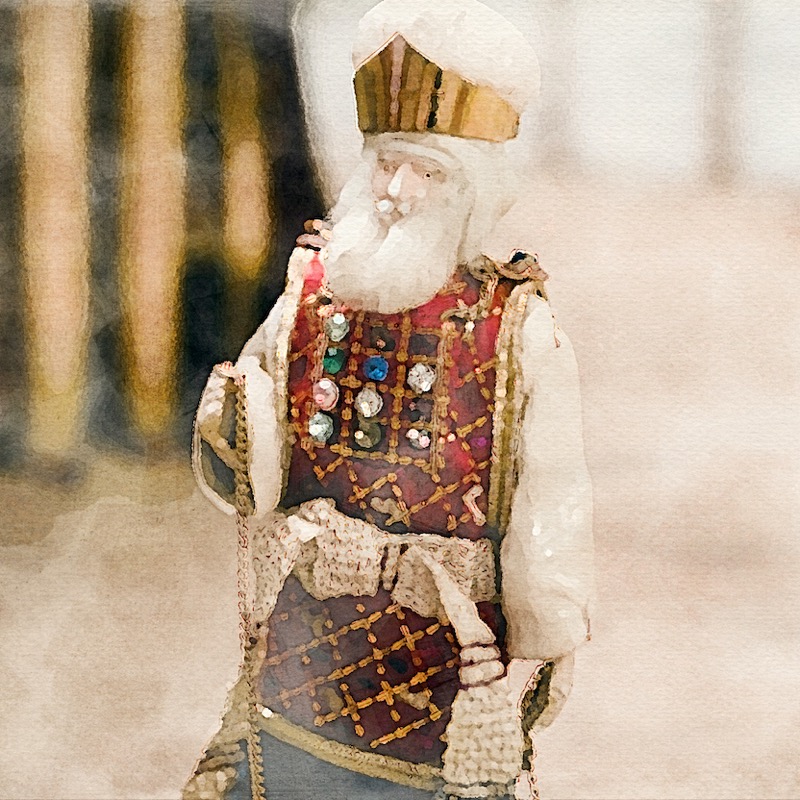
Gooding, David: 5 - The Right Place, Conditions, and Sacrifices in Worship
ID mfh_1141114765Date unavailableBefore 2.93Restored 4.67
What we have been thinking about, uh, this weekend is our worship and service of God. How we may draw near to God, how we may find our way to his presence, how we may serve him acceptably and with godly fear, what kind of sacrifices we, uh, may and need to bring. And we are basing ourselves on the Epistle to the Hebrews, chapter five onwards. And we noticed last night how constantly throughout these chapters the theme is repeated of drawing near to God, of coming to God, of entering the holiest of all, of serving the Lord, of sacrifices, and so forth. And then last night we took as our theme verse, chapter seven and verse nineteen, that at the end talks of the bringing in of a better hope by which we draw near to God. And we fastened on that delightful phrase that we have this better hope, the condition and ground of our coming into the presence of God, by which we draw near to God, is better, and we found it in the context that was better than the old religious system that these people had known. For this letter is being written to Jews, to Hebrews, brought up in belief in the true God, of course, and to serve that true God as best they knew how, uh, and now the writer is saying that there is something better for them than what they had enjoyed in Judaism, better than their temple, better than their high priest, better than their sacrifices, a better way of drawing near to God. Now today, uh, we've been, we've been making haste slowly because we haven't got much further than the first main thing. These chapters tell us that if you're going to come near to God and worship him in a way that's acceptable to God and really satisfactory to you, you will need to give attention to four things. One, you'll need the right high priest. You'll have to make sure, and that's absolutely first and foremost, and the chief point in everything, you'll need the better high priest, that is Jesus Christ our Lord. And then you'll need to make sure that you're worshiping in the right place. Where do I come that I may meet God? And thirdly, you must make sure, we must make sure that we come on the right conditions. And finally, we must make sure we have the right kind of sacrifices. So having looked at the great high priest, our Lord Jesus, as the great, the better high priest, we thought this today about his appointment and who appointed him and when he appointed him and how he appointed him and his qualification. Now we're going to move on to look at these other three things, somewhat briefly, because this afternoon an interesting matter arose. We were talking about this great high priest who has, for those who obey him, become responsible for eternal salvation. You will see. And then we read how that when he was appointed, God appointed him with an oath, swore an oath, thou art a priest forever, the Lord has sworn it and will not change his mind. To indicate to us that Jesus is not only the mediator of a new covenant, he is the guarantor of it. Oh, that delights your heart, doesn't it? Does mine. Because if all God had was my promises, I think God would have despaired a long while ago, uh, you see, that anything ever would really be fulfilled as it should. Oh, thank God. As I come near to God, the conditions I come on to say are, uh, that our Lord is the guarantee of all the promises of the New Covenant. But that led us to a profound and most important question. Is it right, said our good chairman, uh, and inquired what I felt about it. Uh, is it right to think that once you have trusted the Savior and you have been really born again, and you have eternal life, is it right to think that you can be sure that you are eternally secure and never will be lost again? Or, is it so that after you have received the Savior, you have been born again, you have eternal life, you have received the Holy Spirit, could you lose it all and eventually be lost? What is it that we ought to think on that matter? Now, this is a question that has been debated by good Christian people and still is all the world round. I was recently in Germany and found that a number of large number of Christians there I was with were likewise concerned about this particular problem. And you see, the problem arises because if you just look at the Bible, the New Testament particularly, uh, just twisting over the pages, you see, you'll come on some pages and they say, ah, I give unto my sheep eternal life, and they shall never perish. Neither shall anyone pluck them out of my hand. My Father, which gave them me, is greater than all, and no one shall pluck them out of my Father's hand. I and my Father are one. And that seems to talk about eternal security. What, oh, what more good security could you have than that enclosed in the Savior's hand, gripped by the Father's hand, the double hand lock over the believer, guarantee him, guaranteeing him that he shall never perish. Hubbard turned another page, like we shall tonight, and that says, look here, if we sin willfully after we have received a knowledge of the truth, there doesn't remain any more sacrifice for sin, but a certain, uh, fearful looking for of judgment. And couldn't that happen to any one of us, to sin willfully after we have received the knowledge of the truth? And so you might go through the New Testament, if you were just turning the pages at random, finding now a verse that seems to talk about eternal security, and now a verse that seems to threaten us that we could lose the whole lot. So what is the position? And that's what the good chairman has laid on the menu for tonight, you'll see. So I'm now given permission, uh, to proceed and very briefly, um, talk about these other three things that we need if we're going to approach God acceptably. We've got a high priest, the great high priest, now we want to be sure about the right place, we want to be sure about the conditions, and we need to be sure about the sacrifices, yes? And I'm going to do that and then launch the discussion on this other matter, because you see that great, uh, passage that I just quoted, if we sin willfully after we have received the knowledge of the truth, does in fact come into our, our passage this weekend, doesn't it? So what I shall be doing now is putting the background to it, and what it is that leads the writer up to that point where he issues that warning, if we sin willfully after we receive the knowledge of the truth. You'll see. And what does it mean when he says, there remains no more sacrifice for sin, but a certain fearful looking forward to judgment. Do you see? What does it mean? I find the best way, the only honest way anyway, and serious way to look at these grave warnings of scripture is to see them in their context and try to follow through the line of thought. And so we see what the Holy Spirit was, uh, getting at. Right, ho? So on that understanding, let me keep my eye on the clock, José. I understand that, uh, Saturdays anyway have an extra hour. Isn't it Saturday that has the extra hour in the week? Yes, I, I thought it was, yes. Yeah, I've seen it on shops, extra hour, it said. Righto. And with that, let's come back to chapter eight of Hebrews. And somebody be so kind, please, as to read, uh, verses one and two this time, chapter eight, verses one and two. The point of what we are saying is this. We do have such a high priest who sat down at the right hand of the throne of the majesty in heaven, and who serves in the sanctuary, the true tabernacle set up by the Lord, not by man. Thank you so very much. And now you'll notice that these verses begin to tell us not only that we have a high priest, but where the place is, where he ministers, and to which he invites us to come in our worship. Where does he minister? Look what the phrase is in verse two. He is a minister of the sanctuary and of the true tabernacle. What do you mean by the true tabernacle? Is there a false tabernacle about, anyway? What are you talking about, the true one? What the word mean true in this kind of context means, it isn't true as distinct from false. It's true, the real thing, as distinct from a copy of a thing. It's the real thing. For now look, uh, uh, uh, verse four, do you see, and five. Somebody read that as well for us, please. Chapter eight, verses four and five. We look now to see what was meant by the adjective true tabernacle. Mm-hmm. 4 and five. If he were in earth, he would not be a priest, for there are already men who offer the gifts prescribed by the law. They serve at the sanctuary that is a copy of, a copy and shadow of what is in heaven. That is why Moses was warned when he was about to build the tabernacle. See to it that, that you make everything according to the pattern shown you on the mountain. Yes. So now do you see the adjective true in verse two stands in contrast to what verse five says was simply a copy. Doesn't mean that the copy was false, wasn't a cheat, but it was only a copy, and it was a shadow, if you like, of the heavenly things. And that copy, of course, as we know, is talking about the old Jewish tabernacle, and then later the temple, and I showed you pictures of that, uh, uh, this afternoon, and here are some of models here for you to see of the kind of furniture, of the symbolic furniture that would have been in that tabernacle that the Jews used and would have been in the temple where our Lord went. And says the verse, you see, yes, that was all very good, but that was a copy, a copy in wood and gold and silver of the great heavenly spiritual realities. Or if you like to look in verse, in chapter nine and verse nine, I don't know how your translation reads there, but talking about the tabernacle, it said, which is a parable, yes? Anybody got parable in their translation? Which is a Hebrews nine nine. how does your Bible read? Illustration. It's an illustration. They'll do very well. It's an illustration. It's a parable. A parable is an earthly story with a heavenly meaning. And so this ancient tabernacle, says the writer, um, was a kind of a parable that God gave to people in that far distant day, uh, to begin to teach them by that heavenly lessons. But now look at, um, chapter nine and verse twenty four. You'll see. Uh, somebody read that for us. For Christ did not enter a man-made sanctuary that was only a copy of a true one. He entered heaven itself, now to appear for us in God's presence. Yes. Ha! So how we're beginning to get hold of the basic thing. What place does he minister in? What place does our Lord serve in? What place does he sing in? For we read this morning how in the midst of the church he sings praises to God. Where is the temple that he ministers, to which he invites us to draw near and enter with him? Well, now it's telling you, not any mere copy of the heavenly things. He has entered into the true tabernacle, which the Lord pitched and not man. Do you see? He not entered into a tabernacle made with hands, like in pattern to the true, but into heaven itself, now to appear in the presence of God for us. Let me show you some pictures. This I drew of the ancient Jewish tabernacle with the curtains taken off and one side, uh, uh, cut down so that you can see in. Here is the front and the, uh, doorway into the tabernacle. This first division here is called the Holy Place. Then comes the veil here. Here is the high priest at the moment, uh, ministering at that altar of incense there. Then after the veil is the most holy place, you'll see. In that is the ark and the mercy seat with the law of God in that ark. And you know the, this is the tabernacle, but the temple, a picture of which I showed you last night, when it comes to the inside, was of course built on this basic principle. And when the writer says in Hebrews, you know, Christ has not entered into a tabernacle made with hands, we are hearing somebody repeat for us and record for us the most amazing experience that they had had, and in particular the apostles had had. You see, as Jews, every year, eh, they had, those that could, gathered in Jerusalem at the temple on the great day of atonement, and they had seen the high priest come out here into the court and offer the sacrifice at the altar on behalf of the nation and the nation's sins, yes? And when he had finished offering the sacrifice or sin at the altar, then they had watched the priest. And if they were serious folks with the bated breath, they had watched him take the blood of the sin offering and go now into the temple to appear in the presence of God for them. They had seen their high priest then take the blood of the sin offering that had been offered for their sin, and they watched with tremendous awe and reverence as they had seen him take that blood and enter into that temple and disappear behind the curtains that hung here, and on the Day of Atonement, once in the year, disappear behind that veil, though they couldn't see him go, but they knew what he was doing, entering into the holiest of all, the most sacred room in the whole of that temple to appear before God for them. And that was awe-inspiring, if you really believed it. Ah, but what made the Christians give up that kind of temple? Well, it was this. They saw Jesus Christ take the bread and the wine at the Last Supper and explain to them, this is my body that is going to be given for you and my blood shed for you. They saw him die on the cross. He was taken down dead and he was buried. He rose again the third day and they saw him. And for forty days they saw him after he was risen from the dead, and all wondering on what's going to happen now. Till he led them out as far as Bethany, and he raised his hands, and he entered. Oh, not that temple at Jerusalem. Why, of course not. He actually entered into heaven. They saw him go. Of course, that's nothing new to you. You've known of it for, for years, haven't you? It was for them. You see, they'd never see it, seen any high priest do that. High priests came young, and they grew old, and at last they died, and you, you put them in a coffin, and you buried them and hoped they went to heaven. Doubtless, many did. But this Jesus, he didn't die and go off to heaven, and you had to hope he'd gone to heaven. He died, rose again, and with a body that you could feel and touch, he invited them to come and feel him, to see that he was not a spirit, he had flesh and bone, a real living man. They watched that living man enter heaven itself. Now to appear in the presence of God for them. Gone straight into heaven. And that was such an experience that if you read the New Testament epistles, you'll find the Christians talking about it everywhere. Understandably, what? If you'd have seen our Lord go up from McCoskind. Ah. Been a shock, wouldn't it? You never would forget it for the rest of your life. And these men saw him go. When some years later, the martyr Stephen was on trial for his life, he had been falsely reported to the Jewish authorities that he had been preaching that Jesus Christ was going to destroy the temple at Jerusalem. Well, Jesus Christ never said anything of the sort. What Jesus Christ said that the Romans one day, or the enemies of the Jews one day, would come and destroy the temple, and God would allow them to do it. But Christ never said he was going to destroy the temple. So here was Stephen on trial for his life. What had he been saying that gave rise to that charge? Well, he'd been saying, you see, that Christ had made that old temple obsolete. Why? Because they'd seen their great high priest enter into heaven itself for them, now in the presence of God. And presently the court condemned him to death, bustled him out of the court, took him into the open, and stoned him. And as he lay there s- ne- knelt there dying under this rain of stones, he saw the heaven open, and there was the Lord Jesus standing. Lord, he said, receive my spirit. And you know, a man that can look like that into heaven and see the blessed Lord there. And know himself accepted with God through Jesus Christ our Lord, and accepted in heaven. That man won't want a temple down a road, will he? He got, why not? Well, there's nothing wrong with that, but you see, it's only a copy. He's got the real thing. Yes. That's lovely, isn't it? So I'm now going to get you to read a, a verse, uh, somebody, and as you read the verse, we'll, um, look at a few more pictures. Um, we're trying to get now the right place, and we're going to follow the argument of the writer to the Hebrews, who's exhorting us in our worship of God. What do we need for our worship of God if our worship is to be acceptable? One, we need a great high priest, and now we need to come to the right place. Yes. So we're going to hear where the Lord Jesus has gone. He's entered not into a tabernacle or temple made with hands, but into heaven itself. Whereabouts in heaven? So the writer uses this ancient temple as an illustration. So somebody please, uh, read for us chapter nine of Hebrews, starting at verse two. Hebrews nine verse two. And as you read, read it slowly, please, and we'll point out to you here on the chart what you are talking about, so we'll all know exactly where we are. Yeah, somebody begin then. Hebrews nine verse two. A tabernacle was set up. In its f- first room were the lampstand, the table, and the consecrated bread that was called the Holy Place. Thank you very much. Did you hear that? There was a tabernacle set up the f- in the first room of which. Yes, that's a very good translation, that. Uh, the Greek simply says there was a tabernacle prepared, the first, meaning the first room. Here is the tabernacle, ground plan of it. Here is the doorway in. Uh, do you see? Here is the holy place, and there is the veil across it, and this bit is the first room. Yes, it is the first tabernacle. Right? Let's read on. Behind the second curtain was a room called the Most Holy Place. Yes, let's have a look at that. Behind the second curtain, or the second veil. That's this one here, because here is the first one. The first veil hanging here at the door, uh, j- uh, here on these five pillars called the door. This is the first one. But now here is the holy place, but after the second one, here is the second one, there is, what you say, a room, a tabernacle, which is called the Holy of Holies. Yes? Now let's come to verse six. When everything had been arranged like this, the priests entered regularly into the outer room to carry on their ministry. Yes. So when this was set up, and as of norm, the priests go into this first one, into the first tabernacle. They go every day of the week, accomplishing the ser- the service of God. Yes? But only the high priest entered the inner room, and that only once a year, and never without blood, which he offered for himself and for the sins of the people. Yes. So that's quite clear again. Uh, the priests, all of them, including the high priest, came into this first division every day of the year, but into this second one, where the Ark of the Covenant was, where was the throne of God, the immediate presence of God, into that one only the high priest, and he only once a year. Now the question rises, why was that so? Why did God's Holy Spirit organize it that way? Oh, says the writer, he's now going to tell you that God had a lesson to teach in dividing the thing up like that. Let's hear the lesson, yes? Verse 8. The Holy Spirit was showing by this that the way into the most holy place had not yet been disclosed as long as the fresh tabernacle was still standing. Yes, so there it is. So long as that veil was there, the way into this second bit, the way into the presence of God was not yet. What does it say, your verse again? Read that again. The Holy Spirit was showing by this that the way into the most holy place had not yet been disclosed as long as the first tabernacle. Yes. And what is that telling us? It's telling us not merely that in the tabernacle and the temple at Jerusalem, people weren't allowed to go into that second bit. For now remember, this whole thing was a copy, says the Bible, of heavenly things. And in those far off days, God was saying, yes, but the way into my presence in heaven is not yet made open. You can come with your sacrifices to the big altar here of burnt offering. You can come and use the water at the laver. You can offer your sacrifices, but the way into my immediate presence is not open for you yet. That was the lesson of this old tabernacle. Don't think I should like to have used it, would you? Or her? To be reminded every time you come, oh, but no, the way into my presence is not made manifest. No, no, you can't come to my heaven. No, you can't enter, you can't be sure of my heaven. I don't think I'd like to have used it much. That's beside the point. That's what it used to be. What is it now? Ha. We were pointing out this afternoon, just let's see it again, what happened when the Lord Jesus died at Calvary. So here we are. Um, just to remind us briefly again, there is the inside. So when the priests came in, they came as far as they could get. They would come to this altar of incense. There would be the veil with the cherubim, and it was saying, sorry, the way is not open into the presence of God, neither here on earth, nor is it open for you, the way into the presence of God in heaven. And then the Lord Jesus died. And three of the gospel writers tell us with tremendous, uh, uh, gladness and triumph that when our Lord Jesus died and cried, it is finished. The veil of the temple was rent in twain from the top to the bottom, with the result that the way into the holiest is made manifest. Oh, what a delightful thing. It's God himself saying, now, ladies and gentlemen, the way is open. Come. You say, open into what? Is this an invitation for everybody in Jerusalem City to rush up into the temple court, enter through the gates, and say, I've always wanted to see what was inside that temple, and run as hard as they could, and up the steps, and into the most holy place of all, and stand by the ark in the temple at Jerusalem. Well, of course not. For this too was a parable. The whole thing was a parable anyway, for the time then present, and when God tore that veil down, that too was a parable. A parable of what? That the way into the holiest of all, into the presence of God in heaven, is now made manifest. You say, yes, the way is open, but that doesn't mean that I can come in, does it? Ha, the doors are all open into Buckingham Palace. You try and get in. Ah, but wait a minute. Uh, let's follow this particular line of argument to its conclusion. And now somebody read for us, um, you see chapter ten, verse nineteen to twenty. so. Therefore, brethren, since we have confidence to enter the sanctuary by the blood of Jesus, by the new and living way which he opened for us through this curtain, that is, through his flesh, and since we have a great priest over the house of God, let us draw near with a true heart and full assurance of faith, with our hearts sprinkled clean from an evil conscience and our bodies washed with pure water. Ah, so this answers our, our question. The way is open. May we come, though? Why, yes. It says here that the Lord Jesus has opened the way. He has inaugurated the way. Why? Because it's the way he himself has gone. He has done it the way through the veil into the most holy place, is what he is referring to. And now we are exhorted, let us draw near. That is in the, into the presence of God. Let me sit down and ponder that with you a minute. If we are going to worship acceptably and with ungodly fear and enter into all those lovely things that God has provided for us in Christ, here surely is number two, that, um, we have access into the very presence of God now and can come in. You say I can't because I'm sitting here in this beautiful, comfortable armchair on earth. Oh yes, so you are, but your spirit isn't chained to this earth, is it? And through our blessed Lord and the Holy Spirit who is given to us, seated on these chairs, we can enter the holiest of all in the presence of God and know ourselves accepted. That's tremendous, isn't it? That's what makes me say to my friends, you know, I I told them this afternoon, when people tell me I I can't be sure I'm going to be in heaven, my standard reply is I've been there today. You grin, but it's true. The Bible says let's draw near. And that's why the early Christians then eventually, not all at once, but they eventually left that great temple at Jerusalem, and in the end God said, well, finish with that good stuff, let's let it, and he got the Romans to knock it all over. Want a thing like that for, when you can enter heaven itself. Marvelous, isn't it? Boldness to enter the holiest of all. Right, so we've got the high priest then, the great high priest, and he's entered into heaven itself. And now we've got the place where we too can come and worship. Ah, but on what conditions do we come? Do you see? So now I'm going to ask you, first of all, to read in the Old Testament the condition upon which Israel were allowed to be priests and worship God. On what conditions? And this is Exodus chapter nineteen. Exodus chapter nineteen, the second book in the Old Testament, chapter nineteen. And this is God talking to Moses and asking Moses to go to the people and convey to them the offer that he is making them. And as we read it, you'll see that he is offering to Israel that they become a kingdom of priests. Not just one man high priest, not just a few men priests, but the whole nation become a kingdom of priests. On what condition will God allow them to come and act as priests? That's what we're interested in to hear at the moment. So somebody be so kind, uh, Juicy, uh, and read the words, will you? It's Exodus nineteen verse five to 8. If you obey me fully and keep my covenant, then out of all nations you will be my treasured possession, although the whole earth is mine. You will be for me a kingdom of priests and a holy nation. These are the words you are to speak to the Israelites. So Moses went back to and summoned the elders of the people and set before them all the words the Lord had commanded him to speak. The people all responded together, we will do everything the Lord has said. So Moses brought their answer back to the Lord. Yes. So here was the condition, that they were to keep all that the Lord had commanded them and to obey it. And if they obeyed everything he commanded them, they could be his priests. Anyone here got any notion as to whether they did or did not? Uh-huh. Mm, I think you know, but, uh, you rather like the Jews and you're not prepared to say. Okay, lest they should turn around on you, perhaps. Uh, right, oh, of course, the sad fact is that they broke it. Broke the covenant. Couldn't keep it. Broke it. And ruined the whole scheme. We've got a vested interest to know, haven't we, because we're no better than they are. Suppose we're coming to worship God. On what conditions do we come? On what condition can you and I be priests to God and come and enter the holiest of all? On what conditions? We've got a high pray- priest, yes. Huh? Oh, well, let's listen now. Uh, it's going to be discussed. Uh, this is Hebrews eight once more. This is Hebrews eight once more. Somebody read for us, please. Hebrews eight verse six. But the ministry Jesus has received is as superior to theirs as the covenant of which he is mediator is superior to the old one, and it is founded on better promises. Yes, that's jolly good. Here is the verse now saying, not only have we a high priest, uh, who, eh, lives by the power of everlasting life, do you see? Not only has he entered into heaven itself and bids us enter the holiest of all too, but his ministry, that is what he does for us, is infinitely superior to what the high priests in Judaism could do for anybody. Why is it superior? Well, see what verse six says, because he is the mediator of a better covenant that is founded on better promises. So the conditions on which we come are infinitely better. Christ can do far more and better for us than those ancient priests did for Israel. For they came under the terms of the old covenant, and we come under the terms of the new covenant. Why did there have to be a new covenant? And how is that new covenant better? Well, our chairman is right, of course, if we're going to come to God, then of course we shall have to be made to keep God's law, shan't we? The question is how? How? How did they do it under Moses' law? We've got a lot of Israelites and Hebrews and things around here, and and Moses said they better obey God, these chaps here. I know some of these chaps, so we'll get them to obey God. All right, what then? And uh, uh, well, they, if they obey God, they can be priests to God. You say that will keep them on their toes, because that's a glorious honor. Righto. Well now, um, I tell you what, let's take the law from God and put it in this ark thing. So he got the law written by the finger of God on two tables of stone, and they put it in the ark. They said, there you are, you lot, you keep that, and you can be God's priests. What use was it, says the New Testament? Do you see, it's easy to write a law on a bit of stone, isn't it, what? It's another thing to keep it. So that old covenant could tell you what to do, but that's all it could do. It couldn't give you any puff to do it with. And the old law and covenant could tell you what not to do, and it couldn't give you any strength not to do it. When all was said and done, it was a rule written up on a bit of stone. And in that sense, it was dead, of course. And with that tremendous prize in the balance, look, if you manage to keep that law, you can be my priests. They fail to keep it. And we wouldn't have any bigger chance, would we? In spite of all our good endeavors, we might as well be honest. If it depended on us just reading in the Bible that this is what you have to do, and then us setting about to do it, we wouldn't have any bigger chance than they did of keeping it. And so God, in his great mercy, has provided something for us. We've got a new covenant. And these are the conditions on which we come to God. Let's look at the first, and then we shall just have time to look at the last. The first condition says this. Verse ten: for this is the covenant that I will make with the house of Israel after those days, saith the Lord. I will put my laws in their mind, and on their heart also will I write them. That is God's promise, but now get hold of the point if you can, that the Lord Jesus is our high priest. He mediated this covenant for us. He got these terms for us. And he is the minister of the new covenant. He puts it into operation. And what did God say when he appointed him as a high priest? Thou art a priest forever after the order of Melchizedek. The Lord has sworn and will not repent. God, in appointing him to be high priest and minister of this new covenant, God swore an oath to get the guarantee that the covenant would be fulfilled. Who was responsible for seeing it fulfilled? Oh, this is tremendous. Who is responsible? Oh, you know, if God walked into this room this night and had a look at us and said, hang on a minute, who is responsible here for seeing, for seeing that the new covenant is fulfilled in this chap's heart? Well, Christ would come along and have a look at him and say, well, is he one of mine? You one of mine? And if the answer is all yes, this is a man that's genuinely trusted the Savior, Christ would say, I'm responsible. I am the minister of the new covenant, responsible to see that that law is written on his heart. What about that then? Oh, you see, friends, God is a realist. In his wisdom, he demonstrated the impossibility of the first system, that old covenant, just putting a law up on a bit of stone and and s- expecting people to keep it. That demonstrated they couldn't keep it. There's no salvation that way. Now God has has salvation that is realistically geared to the need. If we're going to come to God, it's obvious we're not going to be allowed to behave just as we like. We're going to walk into the presence of God under the guise of flowery language and be leading an unholy life. That won't do, will it? But the problem is, how is God going to get us to live holy lives? And for that purpose, he has given us this great high priest who is the minister, the one that puts it into effect, it means, of this new covenant, wherein God guarantees to write his laws on our hearts. What does it mean? Well, it means to start off with, of course, the personal regeneration, doesn't it? It means being born again. It means receiving the Holy Spirit of God. Yes? But then it means, as we receive the very nature of God, it means that's got to be developed in our lives. And the great high priest is constantly watching us, his lesser priests. Constantly writing on our very hearts, developing the divine nature within us. Developing the eternal life he's given us by his word, by his spirit, doing it. Oh, thank God for a high priest like that, a minister of the new covenant. And if you are like me and you feel your wretchedness as you come into the presence of God and you say, oh, what a mess I do make of life, what do I do? I go to the high priest. And I say, Lord, you've promised, God has given you to me as a minister of this new covenant to write your law on my heart. Oh Christ, write and write deeply and write whatever it costs. Write your law on my heart. Yes. The old system was scrapped because of the weakness of it, and there was brought in, what did our verse say? A better hope by which we draw near to God. Mm. Yes, and what about my sins? We'll look at the last bit of the condition. The condition under which we come, the last phrase. Verse twelve. we haven't got time to go through all the phrases. That's a study, a weekend study in itself, isn't it? But let's look at the last clause of the conditions. This is Hebrews eight and verse 12. Somebody read it, please. For I will forgive their wickedness and remember their sins no more. Yes, I will forgive their wickedness and their sins. I will remember no more. Now that's a, a very important verse, and when the writer comes round to the end and climax of his argument, he's going to repeat it. Let's turn over at once and read in chapter ten, uh, verses, uh, fourteen to seventeen. Fourteen, fifteen, sixteen, and 17. By virtue of that one single offering, he has achieved the eternal perfection of all whom he is sanctifying. The Holy Spirit assures us of this, for he says first, this is the covenant I will make with them when those days arrive. And the Lord then goes on to say, I will put my laws into their hearts and write them on their minds. I will never call their sins to mind or their offenses. Yes. That's, uh, very nice, that, that, that translation. Jose, um, let's concentrate for a moment on that phrase, their sins and iniquities I will remember no more. What does that mean? I will remember them no more. Some people have felt that it means that God chooses to forget it, and they say, well, he's omnipotent. He doesn't sort of just accidentally forget it, do you see, because he couldn't manage to remember, like I, uh, you see, do a lot of things these days, simply because I'm growing old. Uh, no, they say God, he he chooses not to remember, you see. I don't think it's quite like that, is it? When we get home to glory, will God have forgotten why the Lord Jesus died? Hm? Will God have forgotten how I came to be in glory? And when he hears me thanking the Lamb for all eternity for dying for me, will God turn around and say, I can't remember, what did he have to die for? What did he have to die for? No, will he? Well, what does it mean then? Their sins and iniquities I will remember no more. The answer to that is that the, uh, phrase is a legal phrase, do you see? Uh, and uh, in the ancient courts, particularly in the East, the oriental parts, the monarch, he had all sorts of officials in the court, and one of them was called the king's remembrancer. His job from time to time was to get out the books and look them up and see whether there was any criminal around, any traitor or anybody like that, that hadn't been dealt with. And he brought the thing to the remembrance of His Majesty, and the Majesty sat on the throne and got the books opened, and they looked at all the books, and ah yes, that's a case we haven't dealt with yet. Now we must deal with that case. Now what are his sins? And uh, her sins would all be arrayed, and His Majesty would fix the fix the penalty. That is what is called remembering sin. It's a legal term. You find it in the book of the Revelation. Suddenly an angel announced that, uh, great Babylon the Great has been remembered to give unto her all the punishment she deserves. That is, her case has come up before the divine court, and God has judge, has called us into remembrance, and having investigated it, he has fixed the penalty and now, uh, dished out the penalty upon Babylon. Remembering sin, therefore, is a legal term, and it means this: if God remembers somebody's sins, it's God sitting on his great judgment throne, and the books are opened and the records are examined. The sin is investigated, assessed, condemned, and the sentence passed, uh, the verdict passed and the sentence laid down. And this verse is saying... that the conditions upon which we come to God through Jesus Christ... is that their sins and iniquities, God is never going to call up into his court again. Their sins and iniquities will I remember no more. Well, is it amazing, you know? Do get hold of it. I repeat, it's a legal term. It's God saying he's never going to drag the believer's sin before the law court and pronounce the penalty and have the penalty executed. In the language of Saint Paul, there is therefore now no condemnation to them that are in Christ Jesus. Their sins and iniquities he will not remember, in the legal sense, again. Now, of course, we've got to balance that truth, haven't we? As children of God, if we start misbehaving, God as judge won't haul us into his court and banish us eternally. But as a father, he'll call us, and he might lay us over his knee and spank us hard to bring us to our senses. It's a very different thing, a father disciplining a child and a judge condemning a criminal. And God's declared, it's written into the terms of the covenant, look. It's signed, sealed, and settled in the covenant. God doesn't intend to break it, or he wouldn't have signed it. Their sins and iniquities I will never call before the bar of my justice again. How can he say it? Because he did call them once. They were fully examined, fully assessed. And the sentence was executed. And Jesus Christ suffered it on our account. That does it. What our friend read there at the beginning of those verses, what did it say? By one offering he has perfected forever those who are being sanctified, and that's what the Holy Ghost testifies to us when he says, their sins and iniquities I will not remember anymore. That doesn't mean that we go out and paint the town red and live as we like, for what was the first condition? The blessed Lord promising to write his laws on our hearts. The Bible explains we can do it. He'll do it with our cooperation if we will. Or if we become careless as God's children, the Lord will do it because he's covenanted to do it, and he'll chastise us to bring us to our senses, but he'll do it so that we shall never be condemned with the world. Ah, one last thing then. We've got the high priest, and we've got the place, and we've got the conditions. What about the sacrifice? Now here, of course, ah. Do you see, let's come back, a- a- a- a- and we can do this fairly quickly because it is so obvious, isn't it? The word of God is so very clear. Do you see? The, um, verse... Yes, ah. Chapter nine, please somebody read verse nine and ten. Do you remember those verses we read about the way that the Israelites and the Jews in their temple, they couldn't come into the holiest of all? Why couldn't they? Why not? Do you see? Well, somebody read verses nine and ten. m This is an illustration for the present time, indicating that the gifts and sacrifices being offered were not able to clear the conscience of the worshipper. They are only a matter of food and drink and various ceremonial washings, external regulations applying until the time of the new order. Ah. It says that the reason that they couldn't come into the holiest was because their sacrifices were inadequate, and they couldn't, his phrase, did you notice it in his translation, was clear the conscience. Anybody else got a translation of that? All agree on what that translation says? Couldn't clear the conscience. Yes, yes? Perfect. You've got perfect, have you? Yes. What else has anybody got? Huh? Ah. Yes, well, I hope clear the conscience is okay, but the word is, strictly speaking, perfect the conscience. So we have to pause about this to see what it means. What does it mean when the scripture talks about, uh, somebody having a conscience made perfect? We can get help if we look now in chapter ten and verse one and two and three. Somebody read chapter ten, verses one, two, and three. For since the law has merely a rude outline of the good things to come, instead of fully expressing those things, it can never, by offering the same sacrifices continually, year after year, make perfect those who approach its altars. Yes. For were it otherwise, would these sacrifices not have stopped being of- offered, since the worshippers had once for all been cleaned? They would no longer have any guilt or conscience of consciousness of sin. But as it is, these sacrifices annually bring a fresh remembrance of sins to be atoned. Yes. I wonder, do you grasp what is happening there? Because the writer himself is a Jew, so he knows it very well. He's been through it every year, you'll see. On the great Day of Atonement, once every year, the nation, or as many as could, would gather before the great temple at Jerusalem. They still gather in the synagogue in Belfast on the Day of Atonement, you know. And they prepare themselves with great solemnity the feast of the Day of Atonement, the Yom Kippur, even in Belfast of this very present day and throughout Judaism all through the world, is one of the most solemn days in the whole year, because they do believe that on that day God investigates their sins. He calls their sins to remembrance. That is precisely what they believe. And they believe that on that day, therefore, they are to humble themselves and to fast and to pray and to afflict their souls and to confess their sins to God and to one another, because on this great day God is investigating their sins. He is calling their sins to remembrance. And therefore, on that day, they came and they had to offer these great sacrifices to cover their sins. At the end of the day, after all the sacrifices were offered, the priests were authorized in the name of God to pronounce forgiveness on the people. It isn't true to say that in the Old Testament they weren't forgiven. Oh yes, they were forgiven. God says it, bring this sacrifice and it shall be forgiven them. So they were forgiven. Well, you say, what difference were they with us? Well, interesting thing. If you'd have come on, yeah, and you'd have God followed it through to the end, you've confessed your sins, and this is Solomon, and then in God's mercy, yes, you were allowed to bring a sacrifice, and and now you've been forgiven. Yes, and they went home, as the Jew will tell you, feeling cleansed. It's like having had a beautiful bath, and you go home and you feel good. That's what their literature still says. Right with God, right with the world. Oh, wait a minute. Next year? Oh, you had to do it all again. You had to come. You believe that God called your sins to remembrance. You confessed them. You had to offer some more sacrifices. So then in those sacrifices, there was, in this technical sense, a legal remembrance, a calling before the court of their sins every year. So while you might be okay and feel okay as about last year's sins, well, of course, there were still this year's sins, wasn't there? So to get the forgiveness of them, you had to come once more and offer another sacrifice in order to get forgiveness of sins again. What does that show? Well, in those sacrifices, it says, what it shows is this, that those ancient sacrifices could not make them perfect as pertaining to the conscience. Do you see? They got forgiveness, but they weren't made perfect. You say, what do you mean not made perfect? Well, they were only forgiven up to date, and what about tomorrow and next week and next month? Let's use an illustration. Here you are, and you are buying your new motor car, and you put down two thousand deposit, and you've got to clear the rest of the fifteen thousand, so much of, so much a month, you'll see. And I see you in the bank, and you just handed over a mighty great check, and I say to you, now you're at peace at last, aren't you? Well, I've got up to the payments out to date anyway, because it's not paid off yet. Oh, so you have to live with it, don't you? You hope it's all going well and, and paying by a month like this eventually, perhaps one day it'll all be paid that you're paid up to date, that's okay, but, but not really completely free. So next month there's a remembrance of the thing again. Oh, there's that, there's the mortgage on the car. You know how it comes. Wasn't expecting that. Yeah, well, here it is again. And you've got to go through it again. Yes, that's how it was with the Jew when he came to God for forgiveness every year. Yes, forgiven, but next year, another sacrifice to get some more forgiveness. And the writer acutely remarks, you know, if their sacrifices had been really any good and they had dealt with the question of sin once and for all, and their conscience had been made perfect, then the whole thing would have stopped, wouldn't it? And they never would have offered any more sacrifices to get forgiveness of sin, would they? Here's me. I've been paying off my car. Done it for years. And ha ha ha, come the last day, it is the last one hundred and fifty quid, do you see? I go to the old bank manager, I say, there it is, old chap, One hundred and fifty quid. And he says, yes, now you're finished. Do you see? The whole thing is totally paid. And uh, next month, I say, ah, what I normally do? Ah, oh, I know what, I have to go and pay my car mortgage. Oh, write out the check, hundred and fifty quid. Wait a minute, did he say that I finished paying? Well, I don't know. Just to make sure, I think I'll go and pay another hundred and fifty. Yeah? Do you suppose? Do you find yourself doing it? Crazy, wouldn't we? If the thing had once been completely paid, you'd never pay anything in order to finish it off. And if the sacrifices of the Jew had once dealt with the whole question of sin, then the thing would have ceased to be offered, wouldn't it? But if you had gone to the Jews, even to illustrious people like King David, you would have found him, um, bringing sacrifices day after day and year after year. And you've gone on to David and said, David, oh boy, you know that that's a song you wrote, number whatever it is, it's high in the charts. Oh, the wonderful blessing of the man whose sins are forgiven. I like that, David. I know what you're talking about, oh boy. Do you see? Well, I can't make out these, David. Well, you doing here with this old goat? And he said, well, you see, yeah, I know I've forgiven, but now I'm, I'm just bringing this goat to get some more forgiveness. What would you conclude? That he had not a conscience made perfect, wouldn't you? And what's our situation as we come to God? All the glory of the difference. Do you see, in theirs there was a remembrance of sins made every year. With us, God himself says their sins and iniquities I remember no more. It is finished. So let's look now at the conclusion of the argument along that line of country. Um, Hebrews ten. And the sum and substance of the argument of Hebrews ten is that our Lord's sacrifice is infinitely superior to the sacrifice of animals. Why? Because they were animals, and what animals knows a- know about sin is very small indeed, isn't it? It's we humans that know about sin because we are human, we have a conscience. It's a thing that torments us, doesn't it? An old cow, even if it has pinched the next door farmer's, uh, cabbage, you see, I don't go to bed with a conscience about it. No. Because it, it ain't got no conscience. Not a cow. As human beings that have got consciences, isn't it? And there's no good telling us to live like animals. We've got to face this matter of guilt. It's part of our human responsibilities. No good trying to evade it. We've got to face up to it and face God over the question, I am guilty. And not until I can be honorably discharged from that guilt. Can I lift up my head anymore? I don't want my sins brushed under the carpet, and God said we'll try and hide it from the general public, gooding, and we'll hope nobody notices. Do you see? Got to be faced properly. And here is God providing us with a sacrifice that can fully cover. Because it's a sacrifice not of some mere animal, but of God's own son. Now, for time's sake, let's not go into that, of the detail of that argument. That's the first bit of chapter ten. Let's come to see how the climax of it is. For it says, you'll see that, uh, in Israel, verse eleven, every priest in Israel indeed stands day by day, ministering and offering oftentimes the same sacrifices which can never take away sins. Never. But he, when he had offered one sacrifice for sins forever, sat down on the right hand of God, from henceforth expecting, that means to say all he's doing now is not offering sacrifices, but he's waiting till his enemies be made the footstool of his feet. For by one offering he had perfected forever them that are sanctified, and the Holy Ghost is a witness to us. And the child of God who has received the Holy Ghost will, of course, listen to the Holy Ghost, won't he and she? The Holy Ghost is trying to witness something to us. For he says, as he writes the terms of the New Covenant, not only will I put my laws in their hearts, but their sins and iniquities, verse seventeen, says God, I will remember no more. So what follows from that? Pray notice verse eighteen. that is the great conclusion. If God has guaranteed that he will not bring up our sins against us in court anymore, and they're gone forever, well, where forgiveness of these is? There is no more offering for sin. Is there? Let's think a moment of what that word offering means. In Greek it is prosphora. You needn't bother about that. But as in Greek, uh, i- in Greek, it is like it is in English. The word offering can mean two different things, can't it? You'll see. Offering can mean the thing offered. Now I'll chat with you that Bible. I'm offering him that Bible, and this is the offering. Look, I'm sorry I offended you, and I'm going to give you this. That's the offering. The thing is the thing offered. Yes? An offering can mean the thing offered. But offering can also mean the process. There they were offering her that book. No, that's the process, isn't it? Offering. Now, which does it mean in our verse? Where forgiveness of these is, there is no more offering. What does it mean? Oh, you say, um, that means that Jesus Christ is the only offering we need. We don't need any others. Well, that'd be perfectly true, but it means more than that, doesn't it? And we see that in the context. If the sacrifice has perfected your conscience, you will not go on offering it. And if you have complete forgiveness of sins, you won't offer anything in order to get forgiveness of sins. Why would I offer something to get what I've already got? Be a funny thing to do, wouldn't it? It's like me going to the thing after I've paid for the car and offering the man a little bit more money. No, if you've got it, you will not offer anything else to get it. You won't offer the sacrifice of Christ again in order to get forgiveness, will you? God says you mustn't. Where forgiveness of these is, there is no more offering of the sacrifice. And you'll see this is a very serious matter, isn't it? Because we're dealing with Almighty God, and we're dealing with the question of the sacrifice of Christ. Suppose I come to cry God tonight and say, oh God, I need forgiveness, um, and here I'm going to offer you the sacrifice to get forgiveness. What do you suppose God is going to say? What's wrong with my son then? And didn't he pay it? Do you see? I'll tell you what, what do you think of me? I'm a car dealer. And can you imagine that? I'm a car dealer, you see, and I got a nice beautiful, uh, yellow car, you see. And you're a sedate middle-aged couple, and you are business call out to Honolulu, you see. So you've got a daughter, and she's twenty-one, You want to leave her behind in the country, do you see? And you say to the dear lady, now we're going to put a big sum in the bank for you. We're going to invest it so that you can get it when you need it, and uh, and then it will be making a bit of interest. So here goes twenty one thousand into the bank, and that'll do for deposit on the flat, and that will do to get a car. Now, what I should do if I were you, wouldn't pay outright for the car. I'd have one of these hire purchase cars, you see, and you'll have enough in the current account in the bank, it'll get topped up from the, the, the big deposit, and you'll be able to keep the, um, uh, the, the payments going. And get it off that Jack Gooding, he seems to be respectable. So here comes the girlie, and you've gone to Honolulu, and the girlie comes to Gooding, and yes, he's got the very car, and it's a bit pricey, but never mind, and she agrees to buy his car, you see, and she dips into the money that father has given and comes regularly and pays for the car, and uh, she pays the whole fifteen thousand I asked. But then she's a nice girl who doesn't understand these things very much, and you see, the next month she comes with a further hundred and fifty quid. And I say, hmm, what's this for, my dear? Well, you said it was paid last week, but I'm not quite sure, and just to make sure, I think I was thinking I ought to pay another one hundred and fifty. And I say, well, all right, if you want. You like to do that? Well, that's, that's very nice. Yes, you do that. And what would you say as parents? And what would you say if you were Almighty God? What am I to think of Almighty God, of people that keep coming offering the sacrifice to get forgiveness of sins when When Christ Christ paid painted it the at cow. Calvary? The invocation for God's honesty are fearful. And so, as we have thought together on our approach to God and our worship of God, the priest, the place, the conditions, and the sacrifice by which we come. Now, of course, we come to these big warnings, don't we? What do they mean? Just let's read them, and then there's sound of a cup of tea, I believe, and we can just briefly drink down our tea. Yes? It was that your plan, sir? Mm, yes. Uh, and uh, uh, briefly drink down our tea and face the, um, uh, the detail of the warning. But just let's get the logic of it. For one of these big warnings that our good friend here has reminded us of, and which we ought to face as we come now to discuss this question, can a believer be s- uh, sure of his eternal salvation? Are we eternally secure, or could we lose our salvation? One of the verses and the sets of verses in the Bible that makes people think that a true believer could lose his salvation is these verses here. So I'm going to read them very hurriedly, and you'll notice the connection of thought, I hope. Hebrews ten, you'll see verse eighteen: Now where remission of these is, there is no more offering for sin. Having therefore, brethren, boldness to enter into the holy place by the blood of Jesus, by the way which he dedicated for us a new and a living way through the veil, that is to say his flesh, and having a great priest over the house of God, let us draw near with a true heart, in fullness of faith, having our hearts sprinkled from an evil conscience and our body washed with pure water. Let us hold fast the confession of our hope, that it waver not, for he is faithful that promised. And let us consider one another to provoke unto love and good works, not forsaking the assembling of ourselves together, as the custom of some is, but exhorting one another, and so much the more as you see the day drawing near. For if we sin willfully, after that we have received the knowledge of the truth, there remaineth no more sacrifice for sins, but a certain fearful expectation of judgment and a fierceness of fire which shall devour the adversaries. So right on the heels of these verses so full of glorious assurance to the believer that God will not remember our sins anymore and we don't need any more sacrifice, is the very solemn warning. And if we've enjoyed the comfort of the earlier verses, we mustn't run away, must we? From the solemnity of these verses. What do they mean? If we sin willfully, after we've received the knowledge of the truth, no more sacrifice for sin, but a looking for of judgment. What does it mean? Do you see? And, uh, likewise, another of the very big passages that, uh, makes people feel that it is possible to lose our salvation is a similar warning in chapter six, and our chairman quoted it this afternoon. These two warnings come in our passage for this weekend, you'll see, so they are appropriate, aren't we? We mustn't, uh, overlook them. In chapter six, it says, uh, uh, verse four, for as touching those who were once enlightened and tasted of the heavenly gift and were ma- were made partakers of the Holy Spirit and tasted the good word of God and the powers of the age to come and then fell away, it is impossible to renew them again unto repentance, seeing they crucified to themselves the Son of God afresh and put him to an open shame. So what does that mean? Some people say that that's the unpardonable sin. All right. Well, could you and I commit it? That's the question we've got to ask, isn't it? Is that so, Mr. Chairman? Yeah. Good, sir. So if we were to take as brief a break as we could with our tea and then come back in earnest now and talk about this, and if we need to, talk about it tomorrow as well, because it's a very big and important topic. I'm going to say at the beginning, to lead off, what I think these two passages mean, and then throw it open to you, and I'm going to be quiet and listen to you, what you feel, and you have all sorts of ideas, doubtless. Do be uninhibited in expressing them honestly and openly before God. This is a serious matter. Let's be frank with one another, uh, you'll see, as before God on this tremendous thing. Can we or can we not be sure and eternally secure, you'll see, of our salvation? Yeah?