Gooding, David: 1 - How We May Please God in Our Worship
ID mfh_1141114888Date unavailableBefore 3.05Restored 4.65
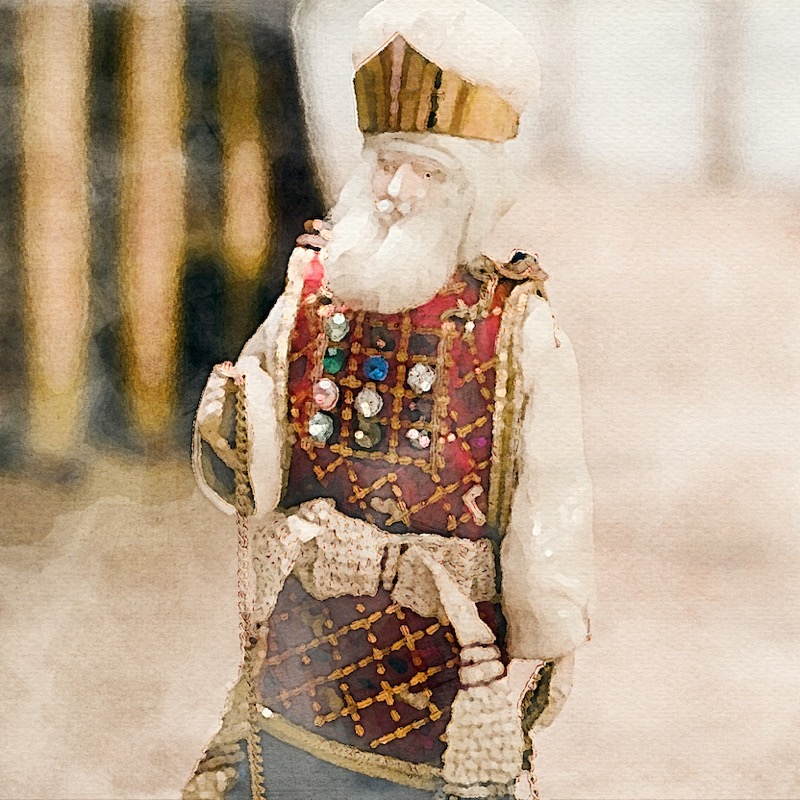
The last occasion we were together at a weekend like this, I talked, we talked together, did we not, on the Epistle to the Romans, and we talked of our acceptance with God and how we can be sure of our acceptance with God, not only now in the present, but for all time to come and on into God's glorious eternity. This, uh, session I propose at the beginning, at any rate, until we come to the part where Roddy, uh, promises different things. At the beginning, I propose to talk about our worship of the Lord, our approach to God, our worship of him, our praise of him, our devotion, our sacrifices, and how we may please God by our approach to him and our worship. And I'm proposing to do that, uh, taking as my chief scripture, though we shall, uh, go elsewhere, of course, from time to time and wander, as we normally do, all over the place. Proposing to take as my basic scripture the Epistle to the Hebrews, from chapter six onwards. Epistle to the Hebrews and chapter six onwards. And just to get things in focus now for this first part of our meditation, I want this weekend to emphasize the verse nineteen of chapter seven. Hebrews seven nineteen. which in my translation says something like this: For the law made nothing perfect. And then it, uh, goes on, does verse nineteen, to pick up what verse eighteen was saying. So let's go backwards now and read verse eighteen. For there is a disannulling of a foregoing commandment because of its weakness and unprofitableness, and now on to the rest of verse nineteen. and a bringing in of a better hope through which we draw near to God. And it's that last phrase that I'd like us to get hold of and put in our hearts and in our minds. A better hope by which we draw near to God. Easy to remember. A delightful verse to bring a bit of sunshine into one's heart when the days are gloomy through the weather or through circumstance. A better hope through which we draw near to God. Uh, that's my old fashioned translation. Anybody got some improvement on that? How does anybody else read it? This is Hebrews seven and the last bit of, uh, verse nineteen. Anybody e- further advances? Yeah? What does yours say, you who have modern translations and are really up to date? When a better hope is introduced by which we draw near to God. No, very good. A better hope is introduced by which we draw near to God. So that's going to be the theme of these first two or three or four sessions, the better hope through which we draw near to God. Let's take the second half of that phrase, through which we draw near to God. And just as to a brief, uh, flick through these chapters in our Bibles, and notice how frequently in what follows, the writer talks to us about our drawing near to God, in the sense of our drawing near to praise God, to worship God, to serve the Lord, to offer sacrifice to the Lord. It's going to talk to us about our worship, our service of the Lord. Just let's pick that up, and if need be, if you're given to that kind of thing, uh, marking it in your Bible, and you'll begin to see how these chapters that at first sight look a bit complicated are strung out like a necklace on a, a, a, a long continuous thread. Look at chapter seven twenty five. Somebody read it for us, please. A few verses lower down. We read verse nineteen. now chapter twenty five. Wherefore he is able also to save them to the uttermost that come unto God by him, seeing he ever liveth to make intercession for them. Ah, very nice. And, uh, do you notice in the middle of that that was read to us, those that come unto God by him? Verse nineteen talks about drawing nigh to God, and verse twenty five is talking about people that are coming to God, drawing near to God. Uh, what for? We'll look at chapter eight uh, and verse, uh, three, shall we? Somebody read to us, uh, verse three. Eight verse three. Every high priest is appointed to offer both gifts and sacrifices, and so it was necessary for this one also to have something to offer. Yes, very good, Josie. Uh, and here we are being introduced now to our blessed Lord, uh, as our high priest, and the point is made about every high priest, Jewish or whatever. Uh, high priests, they have this task of offering both gifts and sacrifices. Yes, because when we come to the presence of God as his redeemed people, yes, it is our responsibility, isn't it? We're coming to the Lord, we're coming to worship the Lord, and the question arises of what gifts and what sacrifices shall we bring, so that we may be acceptable to him. Look at chapter nine, uh, verse one. Uh, somebody read that for us, chapter nine, verse one. Where the first covenant had regulations for worship and also an earthly sanctuary. Yeah. Uh, I like that translation. Even the old covenant had, what did you say, regulations for? Regulations for worship. Well, regulations for worship, you see. Yes. E- everybody agreed on that translation? Yes, more or less. Mm-hmm. Mine is an old English translation that says even the first covenant had ordinances of divine service. You'll say, you'll still find it some places you go by and you'll see a church, and on the notice board outside it's got divine service. Yes? Regulations for worship, uh, says the new translation, and that's a very good translation. Do you see the picture that's beginning to build up, whatever else all the detail is talking about? It's talking about the hope by which we draw near to God. It talks about those that are coming to God. It reminds us that, uh, the high priest, when he comes, has to offer gifts and sacrifices to God. And now it says that even the old covenant, it had a sanctuary, of course, and it had its regulations for worship. And the implication is that we too, in our day, have got regulations for worship, so that we may know how to worship the Lord acceptably. You know, ladies and gentlemen, permit some age-long wisdom. Josie, uh, don't ask me how I know, but when, uh, husbands determine to give their wife a birthday present, they don't just buy the first thing they come across, you know, down in the market stall, you know, rushing home from work, we nearly forgot it, and find the lonely shop that's open and sees the first thing because the wife mightn't like it. And it's fatal to give the, the dear wife a beautiful birthday present that she doesn't like and hates the sight of the thing. You've got to study it with all the strategy and care you know how. Of course you have. And so it is when we come to God. If we're going to worship him, then sheer gratitude and common sense and love for the Redeemer would suggest to us that we've got to give quite a lot of thought to how we may worship the Lord acceptably. Yeah, and then if you notice, uh, uh, chapter nine and verse nine, it, uh, reads in my, uh, in my Bible, in my translation, which is a parable for the time now present, according to which are offered both gifts and sacrifices that cannot, as touching the conscience, make the worshipper perfect. Uh, your translation have the word worshipper in it? Yeah? Yeah, read it, somebody, in your versions. This is a symbol of the present time in which gifts and sacrifices are offered that can never make perfect the conscience of the worshipper. Oh, thank you very much. Yes, and what an interesting statement that is, isn't it? It's commenting here, uh, never mind who at the moment it's talking about, and it talks of some people, they come to worship God. And they're very sincere as they bring their gifts, but there's one ruinous thing underneath it. They haven't got a conscience at ease. Do you see? That's guaranteed to spoil your worship. You know, gentlemen, if you've done something that you know your wife doesn't like and hope she's gonna find out, you see. Huh? You give her a present to try and sweeten it all, and yet you give it to her. You're hoping she hasn't found out. You're giving her 5 pounds worth of the best silk tights that you've ever seen you could buy, hoping she won't inquire what you've done with the two hundred and fifty pounds that was in the bank but now isn't. Do you see? Ha. And it spoils the joy of giving the present, doesn't it, if your conscience isn't right? And on this matter of worshiping the Lord, do you see, and coming into the presence of God so as to give him gifts and, and sacrifices that are pleasing to him. Oh, it's going to be a tremendously important thing that should really get hold of this secret. How may I have a conscience made perfect so that, as the verb, uh, the verse puts it, the worshipper, that's me if I want to worship, the worshipper, as he worships, can have a conscience made perfect. And then look at, uh, verse vo- vo- fourteen. Be so kind, somebody, as to read verse fourteen of chapter nine. How much more then will the blood of Christ, who through the eternal Spirit offered himself in blemish to God, cleanse our consciences from acts that lead to death, and so that we may serve the living God. Mm, thank you very much. And I ask you to notice the last phrase, because this is a marvelous verse, and it talks to us about the power of the blood of Christ. How much more shall the blood of Christ purge or cleanse our conscience, Jews say, from works that lead to death? And that's a marvelous thing, when we've discovered that the blood of Christ can cleanse us from all sin and deliver us from that eternal death that was the penalty of our sin. What a marvelous thing, fit to set your heart a- a- a- a- a leap with joy, you know, when you discovered how the blood of Christ pays your debt, sets you free of the penalty that otherwise would have meant eternal death. Ah, but pray notice. The verse doesn't stop there. The blood of Christ purges our conscience from these works that lead to death for a purpose. What for? To serve the living God. Do you get the picture that's building up as the thread through these chapters? That better hope by which we draw near to God. Here we are coming to God. We come to a high priest who knows how to offer gifts and sacrifices. We are intent on doing the divine service, observing the regulations for worship. Do you see? Because our consciences are, as we come to worship, perhaps we shall have to get hold of it again. How can our consciences be made perfect so that we can worship with all joy and acceptance in God's presence? And how shall we serve him? If indeed his blood has saved us from eternal position, then again, our gratitude will want us, want to make us keen to learn how we may serve the living God. Did you notice the contrast in that verse? Purge your conscience from works that lead to death, dead works, the Greek says literally, to serve the living God. You'll see the only kind of worship that is acceptable to God is living worship. Would you know what I meant by dead worship? Possible for some worship to be as dead as a doornail, isn't it? Ah, and not only dead because it's sort of formal, but dead for another reason. You cannot really worship God, who is spirit, said the Lord Jesus, until you let him give you his spirit in your heart. If only you knew the gift of God, said our Lord to a Samaritan woman nearly two thousand years ago. If you knew the gift of God and who it is that, uh, says to you, give me to drink, you would have asked of him, and he would have given you living water. Meaning God's Holy Spirit put within our hearts as a well of water that wells up, and because it is the very life of God, can come surging back to God alive, and not just empty, dead words. Worship born of life. Mm. And then let's, uh, uh, uh, notice, shall we, um, uh, ten one again. Now we'll find the terms beginning to repeat themselves. Somebody read chapter ten and verse one. The law is only a shadow of the good things that are coming, not the realities themselves. For this reason, it can never be the same sacrifice, repeated end- endlessly, year after year. Make perfect those who draw near to worship. Yes, that's right. And there you have the term, and we don't need to stop again, make perfect them that draw near, that is to worship, of course. As verse two goes on to say, otherwise would they not have ceased to be offered because the worshippers, having been once purged, would have had no more conscience or sins. We're talking then about this matter of worship, and we can notice simply now, uh, uh, a few more phrases to complete the survey. Look at verse twenty two. Let us, it says, coming to the climax of its argument, let us draw near. And verse nineteen is explaining where, having therefore, brethren, boldness to enter into the holy place through the blood of Jesus, by the way he dedicated for us a new and a living way through the veil, that is to say his flesh, and having a great priest over the house of God, let us draw near. You see where to? We're now being urged to come, to draw near to God in order that we may worship him and offer the sacrifices that please him. Finally then, right to the end of this epistle, chapter thirteen and verses 15 and sixteen. Somebody please. Through Jesus, therefore, let us continually offer to God a sacrifice of praise, the fruit of lips that confess his name. And the next verse, please. And do not forget to do good and to share with others, for with such sacrifices God is pleased. Yes. So two kinds of sacrifice... uh, that God asks of us, his people. And when we get round to it, as I hope we shall before the weekend is up, we shall see how beautifully balanced those two things are. The kind of sacrifice that God wants and is acceptable as we draw near to worship the Lord. The first kind of sacrifice that is praise to his name continually through Jesus Christ our Lord. And then there's a kind of sacrifice that is concerned with sharing our material goods with other people, to do good and to share, communicate, meaning that's old English, isn't it? What did you, what you, what was your translation, my good man? To do good and what? Not to forget to do good and to share with others. And to share with others. You'll see we must never in our worship get like that, uh, uh, those two gentlemen in the parable that our Lord told, uh, known as the Good Samaritan, may we? Uh, the man, he was going down from Jerusalem to Jericho, and he fell among thieves, you know, uh, who stripped him and beat him and left him half dead. And by chance there came a priest that way, and he looked across the road, but he was too busy to stop because he's on his way to Jerusalem to worship, was he? And after him there came a Levite. He managed to find the odd minute or two to cross the road to see what had happened and found it was rather nasty and felt he had more pressing duties, so on he went to Jerusalem. And then there came a despised Samaritan. I wouldn't have let him in their temple at Jerusalem, but he got off his animal, he tended the sick man, rendered first aid, put him on his beast, took him to a hotel, paid his bill, and paid all expenses until such time as the man was fit again. Yeah? And our Lord told us the parable, because when we think of this matter of worship and what kind of sacrifices God will accept, then God is always existent, uh, insistent on the two kinds of sacrifice. The sacrifice of our hearts, our spirits, and our lips to God. And then the sacrifice of doing good, sheer practical good, and sharing with others. So this is going to be the general theme, uh, in these first sessions, at any rate, our approach to God in worship, praise, sacrifice, and service, and how shall we go about it? And I come back, uh, to the verse with which we started, which you remember was chapter seven and verse nineteen, to that lovely phrase. phrase. The bringing in, the introduction of a better hope, uh, by which we draw near to God. I don't know about you, but that really talks to my heart, speaks to my heart, that better hope. We shall find, as we go through these verses, that that word better keeps reoccurring. The Holy Spirit rings it like a bell every now and again, and it rings so many times that in the end it really gets in, doesn't it, what ho? Look at verse twenty two. By so much also hath Jesus become the surety, the guarantee of a better covenant. Chapter eight and verse six. But now he hath obtained a ministry the more excellent, by how much also he is the mediator of a better covenant that hath been enacted upon better promises. And chapter nine verse twenty three says, it was necessary therefore that the copies of the things in the heavens should be cleansed with these, but the heavenly things themselves with better sacrifices than these. So in our approach to God, we have a better hope, we have a better priest, he is a better ministry. It's founded on a better covenant, and the covenant contains better promises, and he offers for us better sacrifices. Oh, it's glorious all the way through, isn't it? It is. It's better than they knew in the Old Testament days. It's better than anybody could have imagined. Ah, yes, and as life goes on, and when we get home to glory, we're going to find it's better than even we dreamed of. Yes? Look at chapter ten, verse thirty four. Somebody read it for us, please. ten verse 34. For ye had compassion of me and my bonds, and took joyfully the spoiling of your goods, knowing in yourselves that ye have in heaven a better and an enduring substance. Yeah. Marvelous, isn't it? A better and enduring substance. You'll see how here were folks, and they have being persecuted, some were imprisoned, some had, uh, lost their possessions, some their homes, some had lost their lives. And here the writer spells out their secret as Christians. They knew that they themselves had a better position. I've been interested to hear you tell the great blessing that you've enjoyed, uh, um, in your group, particularly at Cookstown. I was with the one at Libervedi. September, I was in Germany. West Germany, that is, and I stayed with a man and his wife who, in the years past, have frequently traveled to Romania, and in particular to the German-speaking parts of Romania, because they can easily speak to the locals, you see. To visit the believers and to encourage them in all sorts of ways that I will not specify. He told us that he and his wife have had to give it up for the time being because it's too much a strain on the nerves. The last time he was there, he said, uh, do you see, he was in a home where they were having a, a meeting. The Christians had brought in their neighbors, do you see, and they were having a meeting. Well, now in Romania, that is strictly illegal. You may have, uh, meetings of Christians in church buildings, you'll see, specified church buildings, but there the Christians get so many coming into the buildings that they wouldn't get any non-Christians in anyway, because there's not room for them. The only way they get the Christ- non-Christians along is to have meetings in their home. You'll see. They're so in love with the gospel, and they so love their fellow men, that that is precisely what they do, knowing it, of course, to be illegal. They have the meetings like you have yours in Cookstown, but they have to have theirs illegally in their homes. My friend was one night in such a meeting in somebody's home, and he stood, uh, giving the message, you see, and as he drew near to the end of the message, he saw the police lining up outside. And when the message was finished, they came in. And they said, do you know this is illegal? Yes, they said. And so there and then and on the spot, as they have powers to do, they fined each and every one present. And each and every one present had each to pay the equivalent of three months wages. They didn't pay it, then they would be taken to court, they'd have to pay more or go to prison. Well, they paid it. They had to go around all the relatives and friends to get the money, but they paid it. And the next week they'll carry on somewhere else. Why? Oh, because in their service and the worship of the Lord, you'll see, whatever it cost, they know that they themselves have a better position. And if they don't take joyfully the spoiling of their goods, well then at least they endure it knowing they have a better possession. And not only a better possession, look at chapter eleven verse sixteen. Somebody, uh, let's read chapter eleven verse fifteen and sixteen. Somebody be so kind. If they had been thinking of the country they had left, they would have had opportunity to return. Instead, they were longing for a better country, a heavenly one. Therefore, God is not ashamed to be called their God, for he has prepared a city for them. Ah, lovely. Yes, this is talking about Master Abram and company, who were called by God out of their native country and gave it up, their fatherland. Just you imagine it with all the ties that our own country has around our hearts, you know? Ha, do you see? They gave it up. Uh, it wasn't that they couldn't have gone back. Oh yes, they could have gone back. Why didn't they then? Ah, well, you see, they were looking this, they said they desire a better. Can you tell me of a better country than Ireland? There is, ha, there is one, you know, there is one. Yes, and if we come to God and we worship God and we discover the glories of God and the wonders of God. Very presently, we shall not love our countries the less in the sense be grateful to God for them and the countryside and the people, but we shall find a bigger love growing in our hearts that will eclipse it all. A better country. Ah. We've got loyalties beyond loyalty just to our culture and our country. And then finally, this, uh, uh, uh, uh, um, uh, part of scripture is going to tell us chapter twelve verse twenty five, of a better message. Somebody read, uh, chapter twelve and verse twenty five. please. To Jesus, the mediator of a new covenant, and to the sprinkled blood that speaks a better word than the blood of Abel. Ah, yes. That speaks a better word than the blood of Abel. You know, uh, the Old Testament story, of course you do, how, uh, Abel and his older brother Cain were very religious, and they both offered a sacrifice, but then there came a disagreement. Alas, there did. And Cain killed Abel. Mm. And the Bible says, for God says it himself, and it's recorded in Genesis chapter four, the blood of your brother cries from the ground. Cry for vengeance, of course. The first murder on earth, a religious murder. Now, says the writer, we have come to Jesus, mediator of a new covenant, and, uh, to the blood of sprinkling that speaketh better than the blood of Abel. Why? Oh, because the blood of Christ doesn't cry for vengeance. It has a better message. It speaks Speaks better. better. Ha ha. And you know, uh, as I think of these things, I begin to put them together in my mind, that one of the results of drawing near to God and worshiping the Lord as we should, and a conscience made perfect and knowing ourselves accepted, the right to enter the very presence and the holiest of God in heaven. It will begin to create in our hearts this sense that we've got this better possession. And then we shall perceive it's a thing that goes beyond country and beyond culture. A better country, and oh, thank God, it will give us a better message. And the message of justice calling out for vengeance, a better message. And you can sum it all up, uh, look at the last verse of, uh, chapter eleven, verse forty. God having provided some better thing concerning us, that apart from us they should not be made perfect. So here is this passage of scripture, and what I've been saying is this, it's going to talk to us about our worship of the Lord, our approach to God, our coming to him to offer him our sacrifices, do see, our serving him. As we do so, it will point us to this better hope by which we come and introduce us to all those better things than we have. Now, when it says better, of course, in the first place, eh, we shall find, particularly, uh, tomorrow, it's meaning better than these people had before they became Christians. Because this letter is written to the Hebrews, as you see from the title, it was written to the Hebrews. It was written to people who were Jews, they still were Jews, but uh, now they had been converted, they had come to faith in the Lord Jesus as the Messiah. So, they used to worship God before. Now they worship God differently. And what the writer is going to point out to them is how much better it is now. How much better is their worship of God through Jesus Christ. You say, how could anything be better than what they had before? Let me just remind you of the kind of thing they did have before, shall I? Because they weren't savages. Let's have a look. Roddy, could we have some of these, uh, uh. Here is a, uh, reconstruction of the temple in Jerusalem, as it may well have looked like when our Lord Jesus was here on earth. Here is the so-called Solomon's porch, you see. Uh, here is the actual temple building itself, the entrance, uh, through the portways coming here, entrance into the main doors here, and then into the temple when you got inside, first the holy place and then the most holy. You will see what a classical looking building it is. It wasn't a mud hut, of course, nor was it some primitive kind of shrine. It was a beautifully executed, uh, temple standing there in Jerusalem with the hills around, as you know, they are around Jerusalem. Our Lord would never have gone in here, of course, only the priests would be allowed to come in this far into the temple at Jerusalem. Uh, he would have come into some of the other courts. This picture at the bottom here is a reconstruction, uh, not of the temple in our Lord's day, but of what the temple that Solomon built, centuries before Christ, of course, what that temple might have looked like. Uh, we shan't be talking about much about that today. Let's have a look at some more detailed reconstructions of the temple in our Lord's time. Now that's a rather gloomy picture. Uh, uh, if you can't see too well, come a bit nearer, but this is a reconstruction by Halberdahl and was shown in the, uh, Great Canadian Exposition exhibition some years ago. Here is the entrance up into, uh, the temple here by the sundry gates. Here are the various courts, one court here, and another court here. Here is the big altar where the sacrifices were offered. Here is the laver. Then, as you see here, there are a number of steps. That's where the Levites stood and the choir stood to sing and to chant the Psalms. Here then is the temple itself, and according to this particular scholar, it had this ornamentation on the top that is, I must say, just a little bit doubtful. Here, over here is the, uh, building where the Sanhedrin met. Over here would be the slaughterhouses where the, uh, animals would have been slaughtered. Here were the porches where our Lord would have cleansed away, cleared away those that sold the sheep and the doves and the oxen and so forth. As you see, it was quite a sizable place, was the temple in our Lord's day, uh, with hundreds and thousands of people amilling around. These in white, of course, are the priests and, uh, others up here, uh, Levites attending to their, uh, religious duties. Yes, shall we have the other next slide, please? There's a picture of the, um, uh, uh, court again. Here's the Tower of Light, so-called. This isn't biblical, but was added, uh, later. Yes. All I want to do is to give you some impression of how magnificent it was by their ancient standards. Uh, his model, eh, makes it look as if it made of ceramics. It was perhaps even more classical than you see in the model. Yes, carry on. There's here then is, uh, the ramp. Here is the great tower of light, and there you now see up here the steps going up into the temple, with the priests coming down the steps and the lions guarding the temple mouth there. Mm-hmm. Yeah. Here's the general court, uh, with the, uh, uh, uh, outside with the people with their wares and so forth and so on, getting ready to come into one of the gates. Here are gates from the outside court, gates leading in, and these things here are to shield the view in, into the, uh, holier parts. Mm-hmm. Yes, there's a clearer view then. Perhaps you can see, uh, a little bit more clearly. Here then is the big altar where they brought the sacrifices. They would have been slaughtered over here. Here, that blue thing there is the big laver with its water, and then here are the steps up into the temple there again, the house where the chief priests and the Sanhedrin met. Mm-hmm. And where would they... Sorry. Where'd the Ho- the Holy of Holies, because I've not got it. Holy of Holies. Start, where did it start in that? Oh, uh, you couldn't see, uh, perhaps later on we have a slide that will show that more clearly. Um, uh, h- here, uh, the temple itself, the temple proper is this bit. We'll see what the enormous what lot this is. Here is the outer court up here of the temple. Uh, these are the other courts where people might come, but here only, uh, the priests coming up here. Now, into the door of the temple itself, and the first place inside here would be the holy place. Then along there, there would be a big veil going across that building, and behind that veil would be the most holy place. Mm-hmm. Yes, well, there you are again. Yes, uh, push on through them. Here then the big, uh, altar. It was a colossal thing, uh, though this may be in the model a little exaggerated according to rabbinic interpretations, but it was certainly a very large construction, and here are the priests with the wood, uh, and the sacrifices laid upon it. The labor here standing on the back of oxen for the water. Mm-hmm. Now here inside, uh, some attempt to, uh, reconstruct what it might have, uh, looked like with the, uh, lampstands here, do you see, and the ornamentation, the cherubim on the walls, and here the steps going up into the Most Holy Place. So you came in from the outside through the, uh, Holy Place here. Here is the altar of incense. Here is a priest standing praying at the altar of incense, and here up into the steps with the doors and the veil here, and that leading into the most holy of all. What were cherubim exactly? Cherubim were symbolic representations, uh, of heavenly powers. Uh, they, uh, we don't know their exact shape. They are described variously in scripture, so- uh, sometimes have animal bodies, uh, sometimes more like human bodies, but they have four heads, a head of a, a lion, an ox, a man, and an eagle, and they're frequently called the living creatures, the living ones, because they're represent- representations of all forms of life, and you'll see, and are generally associated with the throne of God and with, uh, God, uh, as the life giver. Mm-hmm. Could I have a little bit for you? Yeah, please. The incense burner. Yeah. When was incense burned? Was it always Here? Constantly? It was, uh, uh, burned, uh, uh, at this time, uh, if you're talking about the time of our Lord, Yes. it was burned, uh, every time at the hour of prayer. It, uh, the people would gather out in one of the big courts outside. Yeah. Uh, one of the priests would be appointed. They took lots for it. Who should be the one that should come and burn incense at the hour of prayer? So remember Zechariah, uh, father of John the Baptist, says Luke chapter one, was offering incense at the time of prayer, uh, at the altar, and the people were waiting outside. For he offered incense on the altar, uh, at the hour of prayer and, uh, uh, on behalf of the people, and then afterwards came out and his duty to bless them. Yes. So at the hour of prayer in the, uh, mornings, and, uh, also according to the ancient regulation, when the lamps, you'll see the lamp here, it's lit, look on the top here. When the lamp in the morning, Aaron had to come along, the priest, the high priest had to come along and take the lamps down and trim the wick, then he had to burn incense, uh, again at nighttime when he lit the lamps, then he had to burn the incense. And then on all sorts of other occasions, and notably on the great day of atonement, when the high priest went into the holiest of all, he had to take living coals and incense from here in a censer and take that into the holiest of all. Mm-hmm. Yeah. Thank you. Now, this is a, a, a attempt at reconstruction, not of the temple in our Lord's day, but of Solomon's temple, and again, it's side on, and here showing you the doorway in, and here is the holy place, and these are the, uh, candlesticks. There were ten of them in Solomon's temple, and here's the stairway up, the altar of incense here, the stairway up, and the door and the veil, and inside here the ark and the two great cherubim that were in Solomon's temple, the olive wood cherubim, in the most holy place. Into that holy place, of course, that most holy place, no one ever came, except once in a year, the high priest came in here on the Day of Atonement. And I thought that might be worthwhile just, uh, tonight, uh, before we go off to sleep, just to show you those things, to give you some idea of the background against which this writer is writing these things. For he's writing to the Hebrews, it says, and uh, he's writing to people, many of whom were brought up, uh, in that tradition of worship at the temple there, and he's telling them that Christ is better. And at first sight, some of them would think it mighty strange. How could anything possibly be better than that glorious and grand temple at Jerusalem? How grand it was. I doubt whether there's such an expensive building proportionately anywhere in Ireland still, for the gold that that was worth. In its treasuries, there was immeasurable wealth of gold that people had given, uh, to the Lord. And not only was it grand in style, but I brought along here some models. They're not mine, and incidentally, be so kind, the maker of this has provided us with gloves so that we don't touch it with our bare hands because the thing will, uh, stain. Uh, but, um, here are some models to give you some idea of the elegance and the beauty of the kind of furniture that would have been found in the temple in Old Testament days, the art and the artistry, and not only that, the deep symbolo- symbolism of it all that would have meant a tremendous lot to the Jew. If you go to Israel to this very present day, one of the symbols you'll see all over the place is this menorah, as they call it. It's still an intensely evocative symbol to the Jewish people. It's part of their religious faith, it's part of their culture. Uh, all the kind of experiences that have gathered round it all down the centuries have made it a thing of tremendous meaning, and you'll find it as a symbol all over the place. So here was a temple that was grand inside it was beautiful. And of course, when you saw the high priest himself, he was beautiful too, wasn't he, you see? Just look at him. Uh, you're all honest people, aren't you? So I can tell you, uh, they are real jewels on his breastplate, do you see? So I counted them, and yes. There are twelve, you see. I wouldn't know their names, but my good friend, he has a wealthy friend, and when they made the model, uh, she volunteered to give him the actual pres- precious and semi-precious stones. That is what the Jewish high priest would have looked like in his garments of glory and beauty. Elegant indeed, you see, to see him standing up leading the mass choirs of the Levites. That was something, I tell you. And of course, you know how these things get exaggerated, don't you? If you read some of the ancient, uh, stories, old Josephus, you mustn't believe all he tells you, will say that when Alexander and sundry great emperors came to Jerusalem and they saw the high priest in all his robes of glory, where he bowed down to the ground in front of him as though he were divine. It meant an immense a lot to these people, we'll say. And understandably so. It had been given them by God, hadn't it? They didn't think this up out of their own heads, you know. God gave them this religion there in the Old Testament. All the details here, you'll read about them in the Old Testament, and beautiful and delightful they were, you'll see. And when that high priest, just to make one thing, you'll see, see all those jewels on his breast there? On each of those jewels, there was a name inscribed. It was the name of one of the tribes of Israel. So with twelve jewels, there were twelve names, all the names of the tribes on the, on this, what is called a technically a breastplate, do you see? And uh, there's a jewel there as well, and another jewel there, rather bigger, and that one had six of the names on, and this had six of the names on. So when uh he went to uh pray for Israel and stood at that altar there, do you see? As he did very often. Of course, there had to be a big veil hanging down here so he couldn't see the throne of God, a big veil hanging there. But as he stood there praying and the people were outside, do you see? He carried their names before God. Nice thought, wasn't it? And while farmer Zedekiah was looking after a cow that had gone down with foot and mouth or something, was very worried, you see, and getting up to things and saying things he oughtn't perhaps, but the Allied priest who was, um, there in the presence of God for him, carrying his name and the name of his tribe before the divine presence. What a lovely thing it was. Do you see? You understand how the Jews were so affectionately wrapped up in it all. And there was another reason, wasn't there? At least, um, uh, for the Christians. Do you see? For when the Lord Jesus was here on earth, he went to that temple. And he called it my father's house. And he got very upset when he went there and found the people turning it into a merchandise place and selling things and making money out of poor people and out of the religious services. He got exceedingly upset, and he made a scourge of cords and drove them out. He said, take these things hence, uh, make not my father's house a house of merchandise, Josie, that a perversion of the worship of God. And he was so zealous for the, for the temple, it says he wouldn't allow anybody to carry a vessel through it. And when the disciples saw him make that scourge of cords and drive the people out of the temple, they remembered the verse of the Bible that says, the zeal of thy house hath eaten me up. Do you see? All the devotion to God and to his Father's house, you see. None like the Lord Jesus for devotion to that temple. Why then? This is a big question, ain't it? Why then did the Christians eventually give it all up? Hm? Why on earth would they? They did, didn't they? Not at once, of course. You'll find them after the day of Pentecost, the Holy Spirit came, they're still going up into the temple, but you read the Acts and you will find that little by little and little by little, in the end, they begin to give it up. And if we, we shall find this writer telling them to leave the thing completely. And come and follow the Lord Jesus. Why ever so? Well, this we may be sure of. If they gave it up, it was because they had found something Better. Better. Ha! Something better. Yes, isn't that kind of God, you see? Yeah. You parents, a child has got something and it might be harmful to it. You see, he's got a pen knife or something, eh eh eh, you don't rush and take it, the child might grab hold of it, and that would do itself a damage. So you come with something much better, don't you? And offer it to the child, and he finds, well, he'd like to have both, but his hand ain't bigger now. Do you see? Ha ha. He's got two apples in his hand, and you're offering him, uh, two mighty great ice creams. Well, he'd like to have both, but he can't, so he's let the apple go to take the ice cream. How did God get them away from that? By giving them something better. So that must be pretty good then. What on earth is this better, and how is it better? Well, that's what we're going to look at. How is what God has given us in Christ when it comes to our worship of God? How is it better? So we shall, in fact, find ourselves comparing what God has for us in Christ with the old Jewish system. Yeah? And we shall find that Christianity is better. It has a better priest. Its priesthood is better. And then not only is the priest better, but his ministry is far superior. He can do more for us. And thirdly, eh, the system he administers is much better. It's a better covenant, and it has better promises. And not only that, grand as that great temple was, the place where you worship, that is a place where Christians worship, is much better. You say, what place? We don't worship in a, in a better place than that Jewish temple, we. We used to meet in the garage. Now we, now we meet in a club. Oh. Well, I worship in a better place than that. Far more magnificent place than that temple. So do you really, don't you? Only sometimes we forget. And that's, uh, one of the advantages of, of reading this bit of the Bible, you know, to remind us of the really better thing we have. The place where we worship is better than their place. And the sacrifices through which we come to God are better than their sacrifices. Righto then, so let's bring that to a close. We're going to think about our worship and service and sacrifice for the Lord, our praise and our works. And we're going to see how much better they are at bringing in of that better hope by which we draw near to God. We're going to do that by contrasting Christianity, as the scripture itself does, with Judaism. And you still feel a bit uneasy, perhaps. You say this is a very curious fellow. I wasn't a Jew. I've never been a Jew. What do I care how they worship? I'm content to be a Christian. Worship, you know, my own way as a Christian. I don't need to know what the Jews did. I enjoy Christianity. What do I need to know about the Jews for? You say you're like a man who come- comes along and says, now look here, hmm, let me show you how nice your bicycle is. You say, what about that then? Well, uh, it's much better than a penny farthing. You say, what on earth is a penny farthing? I never knew a penny farthing, never seen a penny farthing. What is a penny farthing? So I have to start telling you what a penny farthing is. It was the old sort of bicycle, you know, it had an enormous great wheel at the front and tiny little one at the back. How on earth they got onto it, I don't know. I sort of jumped and and hoped they landed on the seat or something, you see, and had enormously wide legs when they turned the steering, oh, front wheel round. Anyway, you say, oh, is that what it was? Well, you say, stupid man, I never knew what a penny farthing was anyway. What's the sense of telling me my bicycle is so nice because it's better than the penny farthing? So you say, why tell us how wonderful Christianity is? Why bother to tell us about the Jews? Well, I get your point. But you can look at it another way, don't you? Can't you? The other year I took my sister down to Castle Ward, you know, down there, down Patrick, and it was summertime, and lo and behold, uh, the old laundry at Castle Ward was open. I don't know if you've ever been in it, do you see? But, uh, if you've got the right time of year when the old laundry was open, do you see? It's open. You'll see how they used to do things in the big laundry of a stately home like that in the last century. You never saw such thing as it was. All the clothes were beautiful. They had some of them like linen clothes and all the detail and the embroidery and how, how complicated even the night dresses were and so on. You never saw the light shirt and the gentleman's shirts, and they all were to be washed as white as snow and starched and ironed and woo. And there they were hanging out, looked so marvelous. And then you looked at the, at the plant they had, these old coffers, how they had to fetch all the water by hand and walk up these steps, which would have been slippery with water, and take great buckets of scalding water out of the copper. Wonder they didn't kill themselves three or four times every day. And, you know, I, I took my sister around here, and she thought it was marvelous. And then she got to looking at the kitchen, at, at the ki- at the, at the coppers, you see, and the old lines. And how they had to bleach the stuff on the, on the grass outside. Cool, she said. You know, we forget about that. We don't realize. And she was out Viking before she knew. Yeah, I don't know, she always confesses these things. We don't realize how well we are off today with our modern washers and our spin dryers. Yeah. That made her grateful for five minutes, you see. And the Holy Spirit's going to do that with us too, you see. He's going to remind us of how they did things in Judaism. And when you find out, you'll say, goodness me, is that how they did it? Glad I don't have to do that now. Glad. Oh, how glad to God I am that I have something infinitely better. And that will make our hearts more grateful and increase the depth of our worship to the Lord. Thank you very much.